
Build Confidence and Emotional Independence: Learn to Believe in Yourself
One of the greatest investments you can make in life is developing confidence in yourself and learning to become emotionally independent. When you believe in your abilities and understand your own worth, you no longer need constant reassurance, approval, or validation from other people to feel secure. You begin making decisions based on your values, standing firm in your beliefs, and taking responsibility for your happiness.
Unfortunately, many people spend years allowing other people's opinions, reactions, and expectations to determine how they feel about themselves. They question their decisions, seek approval before taking action, and become emotionally affected by whether someone gives them attention, recognition, or appreciation.
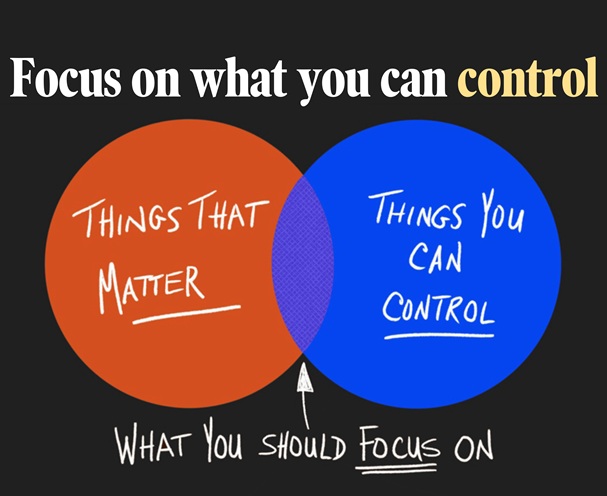
This kind of dependence can make life exhausting. When your confidence depends on how others treat you, your emotions become tied to circumstances you cannot control.
The truth is that confidence and emotional independence are not qualities you are simply born with. They are developed through experience, self-awareness, discipline, and a willingness to recognize your own value.
Learning to trust yourself changes the way you approach relationships, challenges, disappointments, and opportunities. It allows you to live with greater freedom because you are no longer depending on other people to determine how you feel about yourself.
Learn to Believe in Yourself
Confidence begins with the way you see yourself.
If you constantly question your abilities, focus on your weaknesses, and assume that other people are more capable than you, it becomes difficult to move forward with certainty.
You may hesitate to pursue opportunities because you are afraid of failure. You may avoid speaking up because you are worried about criticism. You may convince yourself that you are not good enough before giving yourself an opportunity to succeed.
You have to stop treating self-doubt as a reason to remain where you are.
Believing in yourself does not mean thinking you are better than everyone else. It means recognizing that you have value, abilities, and the potential to improve.
You will not always have the answers. You will make mistakes, experience setbacks, and encounter situations that challenge your confidence. That does not mean you are incapable.
Every experience provides an opportunity to learn something about yourself.
Start recognizing the things you do well. Acknowledge your accomplishments, even when they seem small. Give yourself credit for the challenges you have overcome and the progress you have made.
Confidence grows when you begin recognizing that you are capable of handling more than you sometimes give yourself credit for.
Stop Depending on Other People's Approval
One of the biggest obstacles to confidence is constantly seeking validation from other people.
You may feel good about yourself when someone compliments you, supports your decisions, or recognizes your accomplishments. But when that approval disappears, you may begin questioning your worth.
This creates an unhealthy cycle in which your emotional well-being depends on how other people respond to you.
You have to understand that not everyone will agree with your decisions, appreciate your efforts, or recognize your potential.
Some people will support you, while others will question your choices. Some will encourage your growth, while others may become uncomfortable when you begin changing your life.
Their opinions do not determine your value.
Learn to make decisions based on what you believe is right rather than constantly wondering whether someone else will approve.
Listen to advice when it is useful, accept constructive criticism when it helps you grow, and remain open to learning. However, never surrender your identity simply to make other people comfortable.
The more you trust your own judgment, the less dependent you become on outside approval.
Develop Emotional Independence
Emotional independence means learning to manage your emotions without depending on another person to constantly make you feel secure, valued, or happy.
It does not mean becoming cold, distant, or unwilling to accept love and support. Healthy relationships are important, and everyone needs connection with other people.
The difference is that emotionally independent people do not make another person responsible for their entire sense of happiness or self-worth.
They can enjoy companionship without being afraid of being alone. They can appreciate affection without constantly demanding reassurance. They can experience disappointment without allowing it to destroy their confidence.
Emotional independence also means recognizing that other people's moods and behaviors do not have to control your emotional state.
Someone may be having a bad day, disagree with your decisions, or choose to distance themselves. While those situations may hurt, they do not have to determine how you see yourself.
Learn to process your feelings, communicate your needs, and take responsibility for your emotional well-being.
You can care deeply about people while still maintaining your own emotional stability.
Become Comfortable Spending Time Alone
Learning to enjoy your own company is an important part of building emotional independence.
Some people remain in unhealthy relationships, tolerate disrespect, or constantly seek attention because they are afraid of being alone.
They may believe that having someone beside them is better than facing life independently, even when the relationship repeatedly causes frustration and emotional pain.
But being alone does not mean being lonely, unsuccessful, or unworthy of love.
Time alone gives you an opportunity to understand yourself without the constant influence of other people's expectations.
You can discover what makes you happy, identify your priorities, reflect on your experiences, and develop interests that have nothing to do with seeking someone else's attention.
Learn to enjoy simple activities by yourself. Spend time reading, exercising, walking, learning, traveling, or working toward personal goals.
Become comfortable making decisions without needing someone to accompany you or approve of your choices.
The more secure you become in your own company, the less likely you are to remain in situations that do not support your well-being simply because you fear being alone.
Stop Comparing Yourself to Other People
Comparison can destroy confidence if you allow it to become a regular part of your thinking.
It is easy to look at someone else's accomplishments and begin questioning your own progress. You may compare your career, finances, appearance, relationships, or lifestyle to what you see around you.
Before long, you may begin believing that you are falling behind.
But every person has a different journey.
You do not know all the challenges someone else has faced, the opportunities they received, or the sacrifices behind their accomplishments.
Comparing your life to someone else's creates unnecessary pressure to meet standards that may have nothing to do with your personal goals.
Instead, focus on your own development.
Ask yourself whether you are becoming more responsible, disciplined, knowledgeable, patient, and confident than you were before.
Celebrate your improvements instead of dismissing them because someone else appears to be further ahead.
Your progress does not have to look like anyone else's to be meaningful.
Learn to Trust Your Decisions
Confidence becomes stronger when you begin trusting yourself to make decisions.
If you constantly seek advice, reassurance, and approval before doing anything, you may eventually lose confidence in your own judgment.
You might become afraid of making even simple decisions because you are worried about choosing incorrectly.
Understand that making mistakes is part of becoming more confident.
You will not always make the best decision, but you can learn from the consequences and use those lessons to make better choices in the future.
Take time to consider your options, gather information, and think about the possible outcomes. Then make a decision and accept responsibility for it.
Do not allow the fear of being wrong to prevent you from moving forward.
Confidence is not the belief that you will never make a mistake. It is the belief that you can handle the consequences, learn from the experience, and continue moving forward.
The more you practice trusting yourself, the more comfortable you become with making independent decisions.
Establish Boundaries and Respect Yourself
You cannot build genuine confidence while constantly allowing people to disrespect your time, feelings, and personal boundaries.
Self-respect requires understanding what you are willing to accept and what you are no longer willing to tolerate.
You do not have to agree with everyone. You do not have to answer every request. You do not have to remain available to people who repeatedly take advantage of your kindness.
Learn to say no without feeling obligated to provide a lengthy explanation.
If someone continually disrespects you, address the behavior and determine what boundaries are necessary. If a relationship consistently damages your emotional well-being, consider whether it deserves the same level of access to your life.
Remember that boundaries are not about controlling other people. They are about controlling your own decisions and responses.
Some people may become upset when you begin standing up for yourself. They may be accustomed to you always agreeing, accommodating their needs, or putting their feelings ahead of your own.
Do not allow their discomfort to make you abandon your self-respect.
You can be respectful without allowing others to walk over you.
Take Responsibility for Your Personal Growth
Confidence does not develop simply by thinking positively about yourself. It grows through action.
Every time you set a goal and follow through, you strengthen your belief in your own abilities.
Every time you face a challenge instead of avoiding it, you build resilience. Every time you keep a promise to yourself, you reinforce the idea that you can depend on your own decisions.
Start by identifying areas of your life that need improvement.
Perhaps you need to become more disciplined with your finances, improve your health, develop new skills, communicate more effectively, or become more consistent with your responsibilities.
Choose realistic goals and begin taking steps toward them.
Do not wait until you feel completely confident before taking action. Sometimes confidence develops after you begin doing the things you were afraid to attempt.
You may feel uncertain at first, but experience teaches you what you are capable of accomplishing.
Personal growth requires patience. There will be days when progress feels slow, but consistency matters more than immediate results.
Keep working on yourself, even when nobody else notices.
Stop Allowing Rejection to Define You
Rejection is one of the experiences that can challenge confidence and emotional independence.
A relationship may end. Someone may turn down an opportunity to work with you. A person you care about may not return your feelings. An employer may choose someone else.
These experiences can be disappointing, but they do not determine your worth.
Rejection does not automatically mean you are inadequate, unattractive, unsuccessful, or unqualified.
Sometimes people have different priorities, expectations, circumstances, or preferences. Sometimes an opportunity simply is not the right fit.
You have to learn to separate disappointment from your identity.
Do not allow one person's decision to convince you that nobody else will recognize your value.
Give yourself time to process rejection without turning it into a permanent judgment about who you are.
Learn what you can from the experience, accept what you cannot change, and continue moving forward.
Your confidence should not disappear every time someone says no.
Manage Your Emotions Instead of Letting Them Manage You
Emotional independence requires developing the ability to understand and manage your feelings.
You will experience frustration, sadness, anger, disappointment, fear, and uncertainty. Those emotions are a normal part of life.
The goal is not to eliminate negative emotions. The goal is to prevent temporary feelings from controlling decisions that could affect your future.
When something upsets you, give yourself time to process what happened.
Avoid making important decisions while overwhelmed. Think before responding to difficult conversations. Recognize when you need space, rest, or support.
Learn to identify what triggers certain emotional reactions and consider healthier ways to handle those situations.
You can acknowledge that something hurt you without allowing it to consume your thoughts for days.
You can feel disappointed without giving up.
You can experience anger without responding destructively.
You can care about someone without allowing their behavior to determine your happiness.
Emotional strength comes from learning how to experience your feelings without becoming controlled by them.
Surround Yourself With People Who Encourage Your Growth
Although emotional independence means becoming comfortable with yourself, it does not mean isolating yourself from others.
The people around you can influence your confidence, decisions, and personal development.
Spend time with people who respect your individuality, encourage your goals, communicate honestly, and support your growth.
Healthy relationships should provide mutual respect and understanding rather than constant competition, manipulation, or emotional exhaustion.
Avoid making your entire identity revolve around people who repeatedly make you question your worth.
You deserve relationships where you can express yourself honestly without constantly worrying about being judged or rejected.
At the same time, remember that healthy relationships involve accountability. Surround yourself with people who can offer honest feedback, challenge you to improve, and encourage you to become a better version of yourself.
The goal is not to find people who agree with everything you do. It is to build connections that allow both people to grow while maintaining their individuality.
Conclusion: Become Someone You Can Depend On
Building confidence and emotional independence is a lifelong process. It requires learning to trust yourself, accepting your imperfections, establishing healthy boundaries, and recognizing that your worth does not depend on other people's opinions.
Stop waiting for someone else to make you feel valuable. Stop allowing rejection to determine your confidence. Stop comparing your progress to someone else's journey. Stop sacrificing your happiness because you are afraid of disappointing people.
Learn to enjoy your own company. Trust your decisions. Take responsibility for your actions. Develop the discipline to follow through on your goals and the emotional strength to handle life's disappointments.
Remember that confidence does not mean you will never experience self-doubt. Emotional independence does not mean you will never need support. Both mean that you are learning to stand on your own without allowing every outside influence to determine how you feel about yourself.
You can appreciate love without depending on it for your identity. You can accept advice without surrendering your judgment. You can value relationships without losing yourself in them.
Most importantly, understand that you do not have to prove your worth to everyone around you.
Believe in yourself even when nobody is applauding. Respect yourself even when others disagree. Keep moving forward even when the road becomes difficult.
The more you learn to depend on your own judgment, respect your own boundaries, and manage your own emotions, the more freedom you will experience.
Build a life you are proud of, develop a relationship with yourself that you can trust, and become confident enough to know that you do not need constant approval to recognize your own value.
 123969