
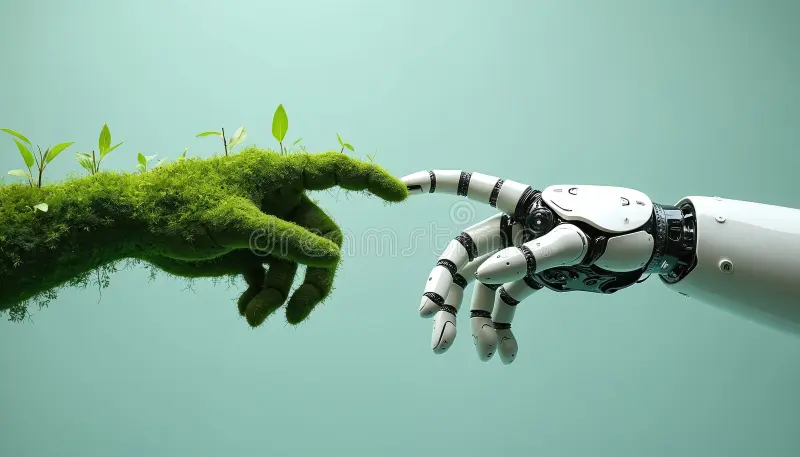
Nature Meets Innovation: How the Elements Are Shaping the Future of AI and Technology
As artificial intelligence and advanced technology continue to grow at a rapid pace, scientists and engineers are increasingly looking to nature—not just for inspiration, but as a resource—to shape the future of innovation. From extreme weather events to natural materials, the elements of our planet may define how we build, power, and protect tomorrow’s tech.
Harnessing Natural Resources for Computing Power
Traditional computing relies heavily on electricity, much of which still comes from fossil fuels. The rise of AI, particularly energy-hungry systems like large language models and machine learning networks, has pushed researchers to explore sustainable alternatives. Solar energy, wind power, and even tidal energy are becoming critical for running data centers efficiently, turning nature itself into a long-term tech resource. Some forward-thinking companies are experimenting with bioenergy and algae-based batteries—technologies that could one day make AI not only smarter but greener.
Nature-Inspired AI
AI research is increasingly looking to the natural world for inspiration. Neural networks mimic the structure of the human brain, swarm intelligence models are drawn from how bees and ants organize themselves, and genetic algorithms simulate natural selection to solve complex problems. Researchers are now exploring how environmental factors like weather patterns, ocean currents, and even plant growth cycles can inform AI models that predict climate changes, optimize resource management, or design new materials.
The Elements as a Challenge
While nature provides inspiration and energy, it also poses significant challenges. Rising temperatures, floods, and wildfires threaten physical tech infrastructure, from server farms to undersea cables. Dust storms and extreme humidity can reduce the lifespan of delicate electronics. As AI becomes more central to daily life, designing technology that can withstand these environmental stresses is crucial. Engineers are experimenting with heat-resistant circuits, waterproof materials, and self-repairing components inspired by natural systems.
The Future: Symbiosis Between AI and the Planet
Looking ahead, experts envision a future where AI doesn’t just rely on nature but works alongside it. Imagine AI systems powered entirely by renewable energy, learning from ecosystems to optimize cities, manage water resources, or even guide reforestation efforts. Advances in biomimicry may allow us to create materials that are as resilient and adaptive as the organisms that inspired them. In essence, the planet itself could become a co-creator of technology.
Conclusion
As AI and technology continue to advance, humanity faces a choice: exploit natural resources recklessly or integrate them thoughtfully into innovation. The elements of Earth—the sun, wind, water, and even the intricate systems of life—may define not just how AI functions, but whether it thrives sustainably. In the coming decades, the future of technology may be less about machines dominating the world and more about machines working in harmony with it.
 4546
4546