When the Checkout Stops: How Technology Outages at Walmart, Target, and Other Retailers Are Changing the Shopping Experience
A consumer-focused article on retail technology failures, payment disruptions, business continuity, and protecting yourself in an increasingly digital shopping environment.
Introduction: When Technology Becomes the Storefront
Imagine walking into Walmart or Target to purchase groceries, household essentials, or something your family needs immediately. Your shopping cart is full, the checkout line is moving, and you are ready to pay.
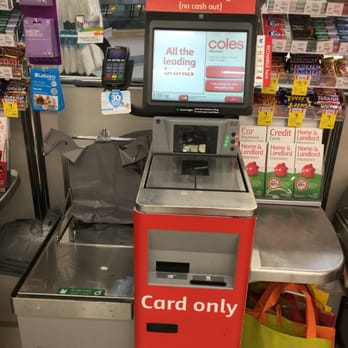
Suddenly, the register stops working. Credit and debit card transactions will not process. Self-checkout machines freeze. Employees are unable to complete purchases, and customers are left wondering whether the problem is their bank, their payment card, the store's network, or something much bigger.
This scenario illustrates a growing vulnerability in modern retail: the dependence on technology to keep everyday commerce moving.
Major retailers, including Walmart and Target, have invested heavily in digital infrastructure, automated checkout systems, mobile applications, inventory management platforms, online ordering, and electronic payment processing. These innovations have made shopping more convenient in many ways. However, they have also created new points of failure.
When critical systems experience disruptions, the consequences extend beyond an inconvenient shopping trip. Customers may be unable to purchase necessities, employees may be left without functioning systems, online orders may be delayed, and businesses may experience significant financial losses.
The issue deserves attention because technology outages are no longer simply an internal business problem. They are increasingly a consumer issue.
1. Walmart and Target: Two Retail Giants Facing the Challenges of Digital Dependence
Walmart: The Risks of Relying on Interconnected Systems
Walmart is one of the largest retailers in the world, operating an enormous network of physical stores, distribution centers, online shopping services, and payment systems. Its technology infrastructure plays a critical role in nearly every aspect of its business.
From scanning merchandise and processing credit cards to updating inventory and managing online grocery pickup, Walmart depends on interconnected systems to keep its operations running.
When any of these systems experience problems, the impact can reach customers quickly.
One example occurred in 2024, when Walmart acknowledged a technical issue that caused some customers at approximately 1,600 U.S. stores to be overcharged because updated pricing information was not properly reaching self-checkout kiosks.
The company said it prioritized identifying affected transactions and refunding customers who had paid too much.
Source: Reuters.
This incident highlights an important distinction: technology failures do not always mean that a store is completely offline. Sometimes, the system is functioning but delivering inaccurate information.
For consumers, that can be just as concerning as a register that refuses to accept payment.
Customers increasingly expect the prices displayed on shelves, scanned at checkout, and charged to their payment cards to match. When those systems are not communicating properly, shoppers may unknowingly pay more than expected.
Walmart's challenges also illustrate why retailers must maintain backup procedures, accurate pricing controls, and accessible customer-service processes.
Target: When One Technology Failure Can Affect Thousands of Stores
Target has also experienced significant technology disruptions that demonstrate the vulnerabilities of modern retail operations.
One particularly notable incident occurred on June 15, 2019, when a technology failure prevented checkout registers from scanning merchandise across approximately 1,800 Target stores. The disruption lasted about two hours and affected customers nationwide.
Target later published an engineering explanation describing the incident and the work undertaken to strengthen its systems against similar failures.
The company confirmed that the incident was not a data breach and that customer information had not been compromised.
Source: Target Tech Blog.
More recently, Target experienced payment-processing disruptions that temporarily prevented some customers from making purchases in stores and online. These incidents demonstrate that even a large retailer with substantial technology resources can encounter interruptions that affect everyday transactions.
Source: Published news reporting.
Target's own annual risk disclosures acknowledge that disruptions involving technology, telecommunications, third-party providers, cyber incidents, and implementation errors can interfere with transactions and inventory management.
Source: Target Corporation.
The broader lesson is that a retailer's physical presence does not necessarily guarantee that it can complete a sale. A store may be fully staffed, stocked, and open while the systems needed to conduct business are unavailable.
2. Other Retailers Are Experiencing Similar Vulnerabilities
Walmart and Target are not alone. Technology disruptions can affect retailers of different sizes, from national chains to regional grocery stores and online shopping platforms.
Amazon: Online Shopping Is Not Immune
Amazon has built its reputation around convenience, speed, and the ability to shop without visiting a physical store.
However, digital retail is just as dependent on functioning technology as traditional retail.
In March 2026, Amazon experienced an outage attributed to a software deployment issue. Customers reported problems accessing accounts, viewing product pages, and completing purchases.
The disruption demonstrated how a technical issue can interfere with several essential parts of an online shopping experience simultaneously.
Source: The Tech Buzz.
For consumers, this creates a different kind of inconvenience. Rather than standing in a checkout line, shoppers may be unable to access their orders, confirm purchases, or determine whether a transaction went through.
Market Basket: When Payment Processing Stops
In October 2026, Market Basket experienced a payment-processing disruption affecting stores in Massachusetts and New Hampshire.
According to Boston 25 News, credit and debit card processing was unavailable for approximately 30 minutes, creating long checkout lines and causing some shoppers to abandon their carts.
Source: Boston 25 News.
This example demonstrates that payment outages are not exclusive to large national corporations.
Regional grocery chains face many of the same challenges, particularly when checkout systems depend on centralized payment networks and outside technology providers.
Target's Digital Shopping Operations
Physical checkout is only one part of the problem. Customers increasingly depend on retailer websites and mobile applications to place orders, arrange pickup, track deliveries, and manage returns.
Target experienced digital-system disruptions during the December 2025 holiday shopping season, affecting portions of its website and mobile application. Some customers encountered difficulties with online transactions and order tracking.
Source: Business Insider.
These disruptions are particularly frustrating during high-demand shopping periods when customers are purchasing gifts, groceries, and other time-sensitive necessities.
3. Why Are Retail Technology Outages Becoming Such a Concern?
The underlying issue is not simply that computers occasionally stop working. The larger concern is how much of the retail experience now depends on systems communicating with one another.
Consider what happens during an ordinary shopping trip:
• Inventory systems determine whether products are available.
• Pricing systems communicate current product prices.
• Point-of-sale systems scan merchandise and calculate totals.
• Payment processors communicate with financial institutions.
• Store networks connect registers and other equipment.
• Mobile applications coordinate online orders and pickup services.
• Cloud platforms support applications, databases, and business operations.
A failure in one critical area can affect several other functions.
This is known as a cascading failure: one disruption triggers problems elsewhere because systems depend on one another.
Another concern is third-party technology dependence. Retailers may operate their own stores and applications but rely on outside companies for cloud computing, payment processing, cybersecurity, telecommunications, and employee-management platforms.
An outage at one provider can therefore affect multiple businesses at the same time.
A January 2026 industry study by Dynatrace, FreedomPay, and Retail Economics estimated that payment disruptions cost U.S. retail and hospitality businesses approximately $44.4 billion in annual sales. The study also found that consumers often abandon purchases quickly when payments fail.
Source: Payments Dive.
That figure illustrates why payment reliability is becoming an important part of the consumer shopping experience.
4. The Consumer's Biggest Concerns
When retail systems fail, consumers face more than inconvenience.
There are several practical concerns worth considering.
1. Duplicate Charges and Pending Transactions
A customer may attempt to pay, receive an error message, and try again. The first transaction might still have been authorized, even if the register did not provide a clear confirmation.
This can lead to confusion, duplicate pending authorizations, or questions about whether a purchase was actually completed.
2. Incorrect Pricing
As the Walmart pricing incident illustrates, technical problems can affect the accuracy of prices.
Customers should pay attention to scanned prices and compare receipts against advertised or shelf prices.
3. Access to Essential Goods
When grocery stores cannot process payments, consumers may have difficulty purchasing food, medicine, baby supplies, and other necessities.
4. Online Order Uncertainty
An application may fail after a customer submits an order.
The customer might not know whether the order was accepted, whether payment was processed, or whether pickup arrangements remain valid.
5. Customer-Service Difficulties
During widespread outages, customer-service departments can become overwhelmed.
Employees may have limited information, and customers may struggle to get immediate answers.
6. Employee Consequences
Technology outages can also affect retail employees.
Scheduling, payroll, time-off requests, and other workplace functions may depend on external platforms.
On November 13, 2026, Workday reported a service disruption affecting some customers. Although Walmart and Target are among organizations that use Workday, reports identifying them as affected by this particular incident have not been independently confirmed.
Source: San Francisco Chronicle and other published reporting.
This is an important reminder that the effects of technology outages can extend beyond the sales floor.
5. How Consumers Can Navigate Retail Technology Outages Moving Forward
As retail technology becomes more integrated into everyday life, consumers need to become more proactive about protecting their purchases, payment information, and access to essential goods.
The goal is not to stop using technology. Digital shopping offers tremendous benefits. Instead, consumers should recognize that technology is not infallible and develop backup strategies.
Here are several practical steps shoppers can take.
1. Carry an Alternative Payment Method
Do not assume that your preferred payment method will always work.
Consider carrying:
• A debit card and a separate credit card.
• A small amount of cash for emergencies.
• A secondary payment option that does not rely on the same digital wallet or financial account.
Mobile wallets such as Apple Pay and Google Pay are convenient, but they may not work if the store's payment terminal or network is experiencing problems.
Having an alternative payment method can help prevent an otherwise unnecessary shopping disruption.
2. Keep Track of Your Transactions
Consumers should develop the habit of reviewing their bank and credit card transactions after shopping.
If a payment terminal freezes or a cashier says the transaction did not go through, avoid immediately attempting multiple payments without checking the first transaction.
Instead:
• Ask the cashier whether the transaction was approved.
• Request a receipt or transaction confirmation when possible.
• Check your banking application for pending transactions.
• Contact your financial institution if duplicate charges appear or an unfamiliar transaction remains unresolved.
Remember that pending authorizations are not necessarily completed charges. Some will disappear automatically, depending on the bank and merchant.
3. Take Pictures of Advertised Prices When Necessary
Pricing discrepancies can create problems when electronic systems do not communicate correctly.
If an item is advertised at a particular price, consider taking a picture of the shelf label, especially when purchasing expensive merchandise or multiple quantities.
Compare the shelf price with the scanned price and final receipt.
If there is a discrepancy, politely request assistance from customer service or store management.
Keep documentation until the issue is resolved.
4. Avoid Assuming an Online Order Was Canceled
One of the biggest frustrations during an outage is uncertainty.
You might submit an order, receive an error message, and wonder whether the retailer actually processed it.
Before submitting another order:
• Check your email for an order confirmation.
• Review your account's order history.
• Check your payment account for pending or completed transactions.
• Contact customer service if the order status remains unclear.
This can help prevent duplicate purchases and unnecessary charges.
5. Have a Backup Grocery and Shopping Plan
Consumers who depend on one retailer for groceries and household essentials may find themselves particularly vulnerable during a widespread outage.
Consider identifying another grocery store, pharmacy, or retailer in your area.
It is also helpful to keep a reasonable supply of frequently used essentials at home, including:
• Nonperishable food.
• Household cleaning products.
• Personal hygiene supplies.
• Baby necessities, if applicable.
• Essential over-the-counter medications.
This is not about panic buying or preparing for an extended emergency. It is about having enough flexibility to avoid being completely dependent on one retailer during a temporary disruption.
6. Follow Official Retailer Communications
When a major retailer experiences an outage, social media can provide useful information, but not everything circulating online is accurate.
Check official company websites, mobile applications, verified social media accounts, and customer-service announcements.
Avoid clicking unfamiliar links claiming to offer refunds, payment corrections, or special outage-related assistance.
Scammers sometimes exploit confusion surrounding major service disruptions.
7. Protect Your Financial Information
A technology outage does not automatically mean a company has experienced a cyberattack or data breach.
However, consumers should remain alert.
Never provide passwords, banking credentials, verification codes, or complete payment-card information to someone contacting you unexpectedly and claiming to represent a retailer.
If you receive a questionable message about a failed transaction, contact the retailer or financial institution using its official contact information.
6. What Retailers Should Be Doing to Protect Consumers
While consumers can take steps to protect themselves, the responsibility for maintaining reliable retail technology ultimately rests with the businesses operating these systems and their technology providers.
Retailers should consider several priorities.
Develop Reliable Backup Payment Systems
Stores should have contingency plans that allow them to continue serving customers when primary payment systems fail.
Depending on the circumstances, this could include redundant network connections, alternative payment-processing arrangements, and clearly communicated procedures for handling transactions.
Improve Communication During Outages
One of the biggest frustrations for customers is not knowing what is happening.
Retailers should communicate:
• Which services are affected.
• Whether physical stores remain operational.
• Whether debit and credit cards are being accepted.
• Whether online orders and pickup services are affected.
• When customers can expect another update.
Even when a company cannot immediately fix an outage, transparent communication can reduce confusion.
Strengthen Technology Testing
Software updates, network changes, payment integrations, and new checkout systems should be tested carefully before widespread deployment.
Companies should also have rollback procedures and recovery plans in place.
Maintain Human Assistance
As retailers continue expanding self-checkout and automated customer-service systems, maintaining access to employees who can help resolve problems becomes increasingly important.
When technology fails, human assistance should not disappear with it.
Prioritize Pricing and Payment Accuracy
Retailers should have procedures to investigate discrepancies, identify affected transactions, and issue appropriate refunds.
Consumers should not have to spend hours proving that a retailer's technology charged them incorrectly.
7. The Bigger Picture: Are We Becoming Too Dependent on Technology?
There is an important question underneath these recurring disruptions:
Have retailers made shopping so dependent on technology that consumers are losing the ability to complete basic transactions when those systems stop working?
Technology has unquestionably improved retail operations.
Online ordering, digital coupons, automated inventory management, mobile payments, and self-checkout have changed how people shop.
However, convenience should not come at the expense of reliability.
A grocery store should be prepared for the possibility that its payment network could become unavailable. A retailer should be able to investigate pricing errors. An online shopping platform should have a recovery process for customers whose orders are interrupted.
The more businesses automate, the more important it becomes to maintain dependable alternatives.
The November 2026 Workday disruption is another example of how interconnected business systems can extend the impact of an outage beyond the immediate service provider.
Retailers must consider not only the systems customers see but also the behind-the-scenes platforms supporting their employees and operations.
Ultimately, technological progress should make commerce more dependable, not leave consumers helpless when a system stops functioning.
Conclusion: Smart Shopping in an Unpredictable Digital Retail Environment
The technology outages affecting Walmart, Target, Amazon, Market Basket, and other businesses demonstrate an important reality: no retailer is completely immune to technology failures.
A store can have plenty of merchandise, employees ready to assist customers, and fully stocked shelves, yet still struggle to conduct business because a critical technology system is unavailable.
For consumers, the best approach moving forward is preparation rather than panic.
Carry alternative payment methods. Monitor transactions. Keep receipts. Verify online orders. Know where else you can shop. Protect your financial information and pay attention to official communications.
For retailers, the responsibility is equally important. Businesses must invest in dependable infrastructure, backup systems, better testing, transparent communication, and customer-service procedures that continue working when technology does not.
The future of retail should be about convenience, but it must also be about reliability.
Consumers should never have to wonder whether they can purchase groceries, household necessities, or other everyday essentials simply because a retailer's technology has stopped working.
Technology should support the shopping experience. It should never become the only thing standing between consumers and the ability to complete a basic purchase.
 112959