
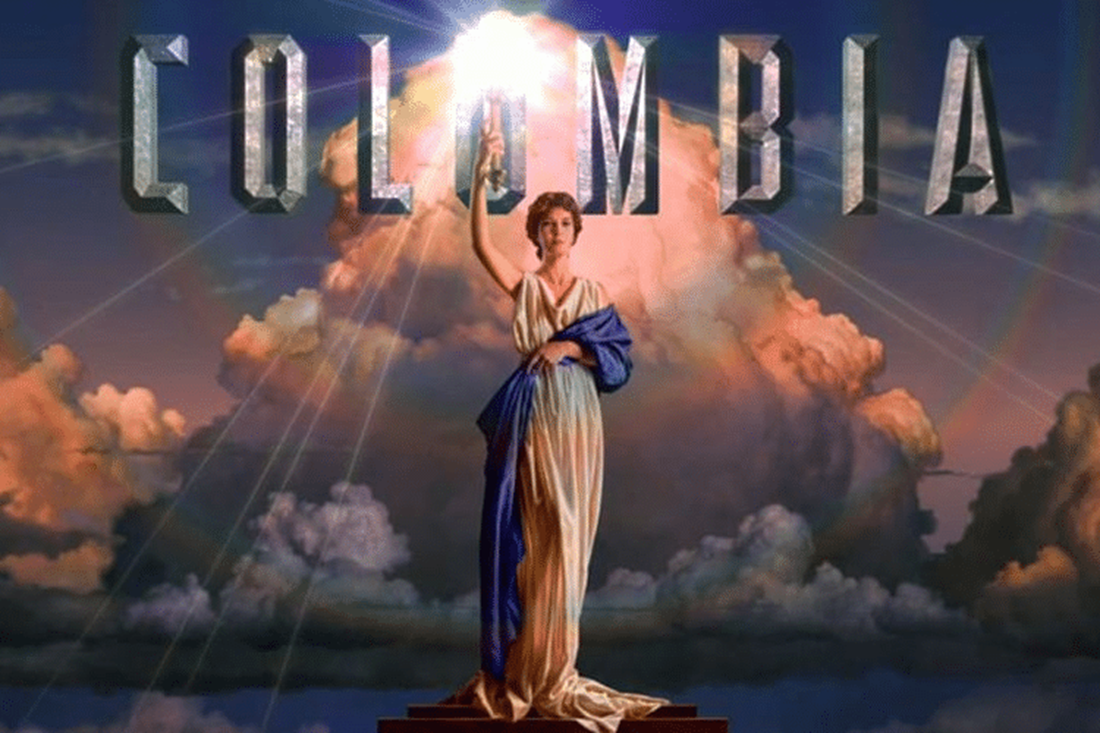
Columbia Pictures: A Century of Hollywood Storytelling
Columbia Pictures is one of the most enduring and influential names in the history of cinema. From humble beginnings in the silent era to becoming a flagship label of a global electronics and entertainment giant, Columbia’s story is a mix of innovation, turbulence, reinvention, and blockbuster success. Over more than a century, the studio helped shape Hollywood’s Golden Age, survived corporate shake-ups, weathered controversies, and produced films that defined generations of moviegoers.
Origins: From Poverty Row to Hollywood (1918–1930s)
Columbia Pictures traces its roots to Cohn-Brandt-Cohn (CBC) Film Sales Corporation, founded on June 19, 1918, by brothers Harry and Jack Cohn and their friend Joe Brandt. Originally headquartered in New York, CBC produced low-budget shorts and modest features. The studio’s early output was so inexpensive that Hollywood insiders joked CBC stood for “Corned Beef and Cabbage.”
In 1924, in an effort to improve its reputation and compete more seriously in the rapidly consolidating film business, CBC was reorganized and renamed Columbia Pictures Corporation. Harry Cohn, who would soon become the dominant force at the studio, took on the dual role of president and head of production.
Despite modest beginnings, Columbia’s fortunes rose dramatically in the early 1930s, especially after Cohn recruited talented directors including Frank Capra. Capra’s comedies—such as It Happened One Night (1934), which won the Academy Award for Best Picture—helped establish Columbia as a major creative force. Other classics like Mr. Deeds Goes to Town (1936) and Mr. Smith Goes to Washington (1939) solidified the studio’s reputation for both commercial appeal and critical acclaim.
Golden Age and Post-War Successes (1940s–1960s)
In the 1940s and 1950s, Columbia expanded beyond screwball comedies to become a studio associated with prestige films and serious dramas. It financed many acclaimed films such as All the King’s Men (1949), From Here to Eternity (1953), and On the Waterfront (1954). Columbia also backed independent producers and directors, giving the studio a diversified and respected slate.
This period also saw Columbia’s expansion into television through Screen Gems, its TV production subsidiary launched in the 1950s. Screen Gems produced numerous hit series and became an influential force in serialized television, later handling syndicated programming and redistributing older films and TV shows.
Financial Struggles and Shifting Leadership (1960s–1970s)
The 1960s and 1970s brought both artistic triumphs and financial threats. Although films like Lawrence of Arabia (1962) and Easy Rider (1969) were commercially and critically successful, the industry as a whole was becoming riskier—blockbusters cost more to make, competition heated up, and television diverted audiences.
In the early 1970s, with declining revenues and rising costs, Columbia’s financial future looked uncertain. In 1973, investment firm Allen & Co. acquired the studio for about $1.5 million and installed new leadership. Under this team, Columbia saw a resurgence thanks to films like Steven Spielberg’s Close Encounters of the Third Kind (1977), though internal management issues—like a high-profile forgery scandal involving studio head David Begelman—blemished the company’s reputation.
Corporate Ownership Changes
Coca-Cola Acquisition (1982–1987)
In one of the most surprising acquisitions of the early 1980s, The Coca-Cola Company purchased Columbia Pictures on June 22, 1982 for approximately $750 million. At the time, Coca-Cola was diversifying beyond beverages into entertainment and media. Columbia’s studios and film library were seen as high-value assets that could deliver cross-platform visibility and broaden Coke’s corporate footprint.
Under Coca-Cola’s ownership, Columbia experienced mixed results. It contributed to the launch of Tri-Star Pictures, a new motion picture studio created jointly by Coca-Cola, CBS, and HBO, expanding Columbia’s market reach. However, Coca-Cola’s core expertise was not in movies, and profits were inconsistent. Eventually, Coke decided to spin off its entertainment holdings rather than operate a Hollywood studio indefinitely.
Tri-Star Merger (1987–1989)
On December 21, 1987, Coca-Cola sold its entertainment assets—which included Columbia—to Tri-Star Pictures for about $3.1 billion, forming Columbia Pictures Entertainment, Inc. as the merged entity. Coca-Cola remained a major stakeholder for a brief period while Tri-Star executives took leadership roles.
This consolidation was part of a broader industry trend in which studios attempted to better leverage international distribution, home video, and television rights. Yet this period also saw financial losses on several high-budget films, prompting changes in executive leadership and strategy.
Sony Corporation Takes the Helm (1989–Present)
The most transformative ownership change occurred on September 28, 1989, when Sony Corporation of Japanacquired Columbia Pictures Entertainment for $3.4 billion. Sony was actively building an entertainment empire to complement its consumer electronics business—aiming to pair content with hardware such as televisions, cameras, and audio devices.
Under Sony, Columbia was merged with Tri-Star and rebranded as part of Sony Pictures Entertainment. The company expanded into global distribution, home video, and later digital streaming. Columbia continued releasing films under its historic label, but as a subsidiary of a multinational conglomerate with enormous resources and an international footprint.
Financial Impact & Box Office Performance
Because Columbia now functions as a label under Sony Pictures Entertainment, it does not publicly report standalone financials. However, industry estimates indicate Columbia’s film output remains a major revenue generator.
According to recent analysis, Columbia Pictures’ annual revenue in 2025 was estimated between $3.8 billion and $4.2 billion, with a brand valuation in the $9 billion–$11 billion range. These figures account for theatrical releases, streaming rights, television licensing, and ancillary markets worldwide.
Recently, Sony’s Columbia arm reported a $24 million profit for its European parent company in the year ending March 2024, driven by successful films such as Spider-Man: Across The Spider-Verse and The Equalizer 3.
Blockbuster films—especially franchise tentpoles like Marvel’s Spider-Man series and Ghostbusters installments—continue to be central to studio profitability, regularly grossing hundreds of millions worldwide and boosting licensing and merchandise revenues.
Controversies & Challenges
Throughout its history Columbia Pictures has faced its share of controversies and setbacks:
• Internal Scandals: In the 1970s, a major scandal erupted when executive David Begelman was found guilty of forging signatures to embezzle studio funds—an episode that damaged Columbia’s reputation and led to significant management changes.
• Financial Flops: Several high-budget films under Coca-Cola and later transitional Sony management lost significant money, prompting strategy shifts and executive turnover.
• Industry Shifts: Like all legacy studios, Columbia has navigated the decline of theatrical dominance, the rise of streaming platforms, and global competition. Its 2020s slate has seen varying box office outcomes, reflecting both market volatility and changing audience preferences.
Keys to Longevity
Columbia’s century-long survival isn’t accidental; a number of strategic factors have underpinned its longevity:
1. Adaptable Business Model: Columbia was not wedded to a single film genre or business approach. It evolved from B-movies to prestige dramas, diversified into television, embraced international markets, and expanded into new media distribution.
2. Strategic Ownership: Each corporate parent brought different strengths—Coca-Cola added marketing and capital, Tri-Star expanded rights management, and Sony injected global scale and technology integration.
3. Franchise & IP Development: Columbia has invested heavily in intellectual properties with long-term revenue potential—especially blockbuster franchises that generate theatrical, streaming, and merchandise income.
4. Talent & Creative Risk-Taking: From Frank Capra’s classic comedies to ambitious modern blockbusters, Columbia consistently took calculated creative risks that generated critical acclaim and commercial hits.
Conclusion
Columbia Pictures’ journey from a small Poverty Row studio to a flagship label of a global entertainment conglomerate is one of resilience, adaptability, and innovation. Its history mirrors the evolution of Hollywood itself—marked by creative triumphs, corporate upheavals, and technological shifts. Through strategic leadership, enduring brands, and a willingness to change with the times, Columbia stands today not just as a relic of cinema history, but as a vibrant, revenue-producing studio shaping the future of entertainment.
 10479
10479