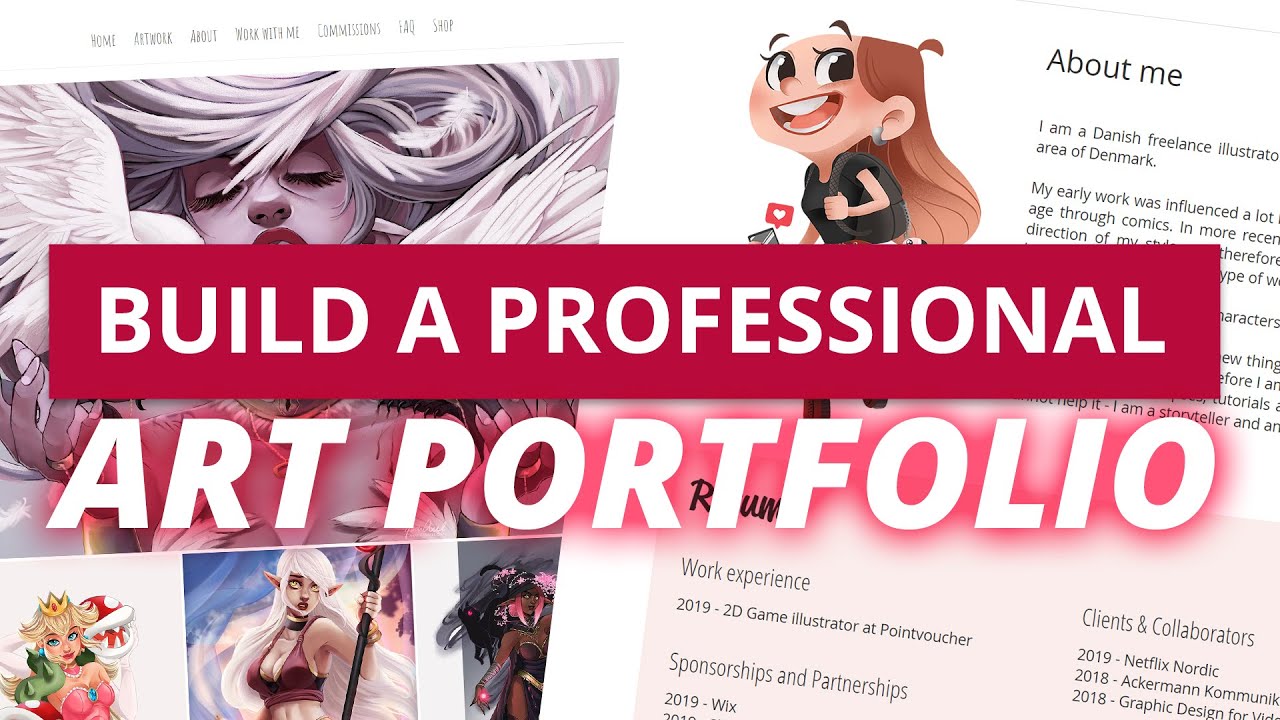
Creating Your Own Portfolio of Work at Any Age: Inspiration, Strategy, and Examples from Great Artists
A portfolio is one of the most powerful tools any creative person can have. Whether you are a student, a mid-career professional, or someone rediscovering creativity later in life, building a portfolio allows you to showcase your abilities, track your growth, and present your work to the world. A portfolio is more than a collection of images or designs—it is a visual story about who you are, how you think, and what you create.
Many people assume portfolios are only necessary for professional artists or young students entering creative careers. In reality, creating a personal portfolio can benefit anyone at any stage of life. The act of gathering your work, organizing it thoughtfully, and presenting it clearly builds confidence, helps you refine your creative voice, and opens unexpected opportunities.
This article explores how to build a personal arts or graphics portfolio regardless of age, why it matters, and examples from some of the most inspiring artists whose portfolios have influenced the creative world.
Why Everyone Should Have a Portfolio
A portfolio serves several important purposes. First, it documents your creative progress over time. Many artists look back at their early work and realize how much they have grown. A portfolio preserves this journey and provides motivation to keep improving.
Second, a portfolio allows you to communicate your style and strengths. Instead of explaining your skills with words, you can simply show your work. For visual disciplines such as illustration, graphic design, photography, and digital art, the work itself speaks louder than any résumé.
Third, a portfolio can lead to opportunities. Galleries, clients, publishers, and employers often rely on portfolios to evaluate talent. Even if you are not seeking professional recognition, sharing your work online can connect you with communities that appreciate similar creative interests.
Finally, a portfolio provides a sense of ownership over your creativity.
Many people underestimate the value of their personal projects. Creating a portfolio helps you take your work seriously and recognize its worth.
Starting Your Portfolio at Any Age
One of the biggest misconceptions about creative portfolios is that you must begin early in life to succeed. History proves the opposite. Many artists and designers found their voice later in life, sometimes after entirely different careers.
The key is to focus on progress rather than perfection. A portfolio does not need to be flawless from the beginning. Instead, it should evolve as your skills develop.
To begin, gather examples of your work. These might include drawings, paintings, digital illustrations, graphic designs, photographs, or even experimental pieces. Do not worry about whether each piece is “good enough.” The goal is to collect a range of work that reflects your interests and abilities.
Once you have gathered your work, begin organizing it. Consider grouping pieces by theme, medium, or project. This organization helps viewers understand your creative direction and makes the portfolio easier to navigate.
Choosing the Right Portfolio Format
Today there are several ways to present a portfolio, and the best option often depends on your goals.
A digital portfolio website is one of the most common formats. Websites allow artists to reach global audiences and share their work easily.
Platforms like portfolio builders or personal websites allow you to display high-quality images, describe your process, and even sell your artwork.
A PDF or digital presentation is also useful when applying for jobs,
scholarships, or exhibitions. These documents allow you to curate a specific selection of work tailored to a particular opportunity.
Traditional physical portfolios remain valuable as well, especially for gallery presentations or interviews. Printed photographs or high-quality reproductions can showcase your work in a tangible way that digital screens sometimes cannot replicate.
Many artists use a combination of these formats, maintaining an online presence while also preparing curated selections for specific purposes.
What Makes a Strong Portfolio
A strong portfolio is not simply a large collection of work. Instead, it is a carefully chosen selection that highlights your strengths.
One important principle is quality over quantity. Ten excellent pieces often make a stronger impression than thirty average ones. Each piece should demonstrate something meaningful about your skills or creative thinking.
Another key factor is consistency. While it is good to show variety, your portfolio should also reveal a recognizable style or perspective. Viewers should feel that the pieces belong together as part of the same creative voice.
Context is also valuable. Brief descriptions explaining the purpose, inspiration, or technique behind a piece can help viewers appreciate the work more deeply. This is particularly helpful for design or conceptual art where process matters.
Finally, update your portfolio regularly. As you improve, replace older pieces with stronger ones. A portfolio should grow and evolve alongside your creativity.
Inspiration from Great Personal Art Portfolios
Many well-known artists built remarkable portfolios that shaped their careers and influenced others.
One powerful example is the work of Leonardo da Vinci. Although he lived centuries before modern portfolio websites, his notebooks functioned as a portfolio of ideas, sketches, scientific observations, and artistic studies. These collections demonstrate how documenting your work over time can create a powerful record of creativity.
Another influential figure is Andy Warhol, whose portfolio of pop-art paintings, prints, and commercial illustrations defined a generation of modern art. Warhol’s work shows how a strong, recognizable style can make a portfolio unforgettable.
In the field of graphic design, Paula Scher created an extraordinary portfolio filled with bold typography and striking visual identities. Her work for cultural institutions and major organizations demonstrates how a designer’s portfolio can showcase both creativity and real-world impact.
Similarly, Stefan Sagmeister built a portfolio that blends design, art, and experimentation. His projects often combine visual storytelling with conceptual thinking, proving that portfolios can communicate personality as well as technical skill.
For contemporary illustration and character design, Loish offers a well-known example of an online portfolio that evolved alongside her career. Starting by sharing digital drawings online, she gradually built a global following and turned her personal artwork into books, tutorials, and professional opportunities.
These examples highlight an important lesson: great portfolios reflect individuality. Each artist presents work in a way that reveals their unique perspective.
The Role of Online Portfolio Platforms
The internet has transformed how portfolios are created and shared. Artists today can display their work instantly to audiences around the world.
Online communities and platforms make it easier than ever to connect with other creators, receive feedback, and discover inspiration. Social media, art platforms, and portfolio websites allow artists to experiment with presentation styles, build audiences, and even collaborate on projects.
However, relying only on social media can sometimes limit how your work is perceived. A dedicated portfolio site provides more control over how your art is organized and displayed. It allows you to present your work in a professional environment without distractions.
Many artists use social platforms to attract attention while directing viewers to their main portfolio website for a complete presentation of their work.
Overcoming Creative Doubts
One of the most common barriers to building a portfolio is self-doubt. Many people hesitate to share their work because they fear it is not good enough.
The truth is that every artist begins somewhere. Even the greatest masters created early work that was imperfect or experimental. What matters is the willingness to continue creating and learning.
A portfolio is not a statement that your work is perfect. Instead, it is a record of your journey as a creator. By sharing your work openly, you invite feedback, encouragement, and opportunities for improvement.
Remember that creativity thrives on experimentation. Some of the most interesting portfolios include pieces that explore unusual ideas or unconventional techniques.
Tips for Maintaining a Portfolio Over Time
Maintaining a portfolio is an ongoing process rather than a one-time project. As your skills grow, your portfolio should evolve accordingly.
Set aside time every few months to review your work. Remove pieces that no longer represent your best abilities and replace them with stronger examples. This keeps your portfolio fresh and focused.
Document your creative process as well. Sketches, drafts, and concept notes can add depth to your portfolio and show how your ideas develop. Finally, seek feedback from other artists or creative communities.
Constructive critique can reveal strengths and weaknesses that you might overlook.
The Lifelong Value of a Creative Portfolio
Creating a portfolio is not only about professional success. It also enriches your personal life. Art allows people to explore emotions, ideas, and perspectives in ways that words alone cannot express.
For young creators, a portfolio can open doors to education and career opportunities. For experienced professionals, it can demonstrate expertise and attract new projects. For older adults rediscovering creativity, a portfolio can become a deeply meaningful record of artistic exploration.
No matter when you begin, the process of building a portfolio encourages curiosity, discipline, and self-expression. It reminds us that creativity is not limited by age or background.
Final Thoughts
Creating a personal portfolio is one of the most rewarding steps a creative individual can take. It provides a structured way to collect, present, and reflect on your work while sharing it with the world.
Whether you are inspired by the timeless sketches of Leonardo da Vinci, the bold visual statements of Andy Warhol, the typographic mastery of Paula Scher, or the experimental creativity of Stefan Sagmeister, the lesson is the same: creativity flourishes when it is documented and shared.
Starting your portfolio today—regardless of age—is an investment in your creative future. Each drawing, design, or graphic becomes part of a larger narrative that represents your imagination, dedication, and growth.
Your portfolio is ultimately a reflection of you. With patience, curiosity, and persistence, it can become a powerful showcase of your artistic journey and a source of inspiration for others who are beginning their o
 7645
7645