Case Study: BoxedArt.com — Crafting Emotion-Driven Digital Experiences
Executive Summary
BoxedArt.com was a prominent digital design studio that rose to recognition in the early-to-mid 2000s for its emotionally rich, visually expressive, and highly interactive web experiences. At a time when the internet was rapidly evolving from static pages into immersive environments, BoxedArt distinguished itself by blending art, storytelling, and technology—often using Adobe Flash—to create websites that felt more like digital films or installations than conventional marketing tools. Though the studio eventually receded as web technologies and design trends shifted, BoxedArt remains a significant case study in creative differentiation, experiential branding, and the rise and decline of Flash-era digital artistry.
Founding & Market Context
BoxedArt emerged during a formative period in web history, when broadband adoption was increasing and designers were experimenting with motion, sound, and interactivity. The early 2000s saw the rise of creative studios that treated the web as a canvas for expression, rather than merely an information delivery medium. Tools like Adobe Flash enabled animation, audio integration, and non-linear navigation—capabilities that HTML alone could not yet support.
Within this context, BoxedArt positioned itself as a boutique creative studio, focused less on scale and more on craft. The studio appealed to clients who wanted their digital presence to evoke emotion, curiosity, and memorability, rather than simply convey product features. This positioning placed BoxedArt firmly in the same creative wave as other experimental studios of the era, while maintaining a distinct voice rooted in human emotion and narrative design.
Core Offering & Creative Philosophy
BoxedArt’s core value proposition was simple but powerful: design digital experiences that people feel, not just see.
Rather than emphasizing usability metrics or conversion funnels—concepts that would later dominate digital design—BoxedArt prioritized:
• Mood and atmosphere
• Narrative flow
• Visual symbolism
• Immersive interaction
Their projects often unfolded slowly, inviting users to explore, listen, and reflect. Motion graphics, typography, soundscapes, and subtle animations worked together to create a sense of presence. The result was work that stood out dramatically from mainstream corporate websites of the time.
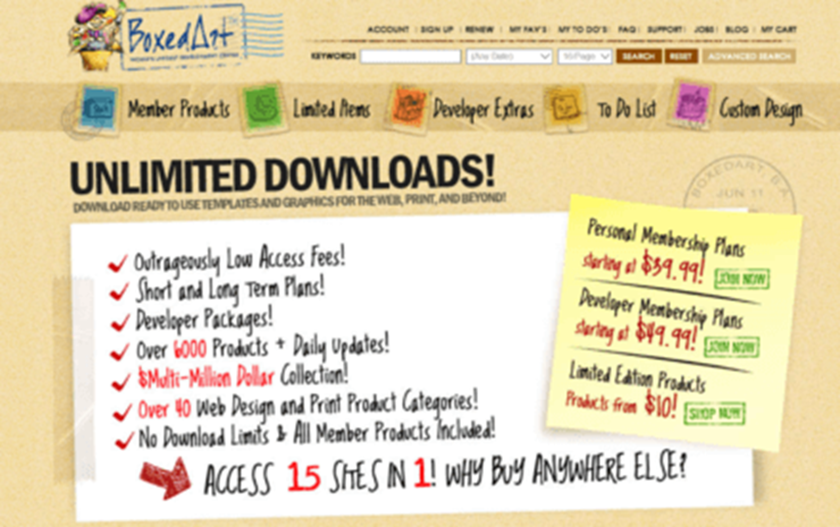
BoxedArt.com itself functioned as a living portfolio. The studio’s website was not merely a list of services but a demonstration of its philosophy, drawing visitors into a carefully curated digital experience that showcased both artistic sensibility and technical skill.
Design Strategy & Execution
BoxedArt’s execution reflected a design-first strategy, where technology served creativity rather than dictating it.
1. Storytelling Through Interaction
Many BoxedArt projects used non-linear navigation, allowing users to discover content organically. Interaction became part of the story, reinforcing emotional engagement and encouraging exploration rather than efficiency.
2. Visual & Audio Integration
Unlike many studios that treated sound as an afterthought, BoxedArt frequently incorporated music and ambient audio to heighten emotional impact. This multimedia approach was especially effective in Flash environments, where synchronization between visuals and sound was tightly controlled.
3. Custom, Bespoke Experiences
BoxedArt did not rely on templates or standardized layouts. Each project was crafted as a unique piece, tailored to the client’s identity and message. This bespoke approach elevated perceived value but also limited scalability—an important strategic tradeoff.
Client Value & Use Cases
Clients who chose BoxedArt were typically brands, artists, or organizations seeking differentiation through creativityrather than mass appeal. The studio’s work was particularly well-suited for:
• Brand storytelling
• Entertainment and media projects
• Cultural or artistic initiatives
• Companies wanting to signal innovation and emotional intelligence
For these clients, BoxedArt delivered value not through traffic volume or direct conversion metrics, but through memorability, brand perception, and emotional resonance. A BoxedArt site was meant to be experienced, shared, and remembered.
Challenges & Market Shifts
Despite its creative success, BoxedArt faced structural challenges common to many studios of its era.
1. Dependence on Flash
BoxedArt’s strengths were closely tied to Flash, which eventually fell out of favor due to performance issues, accessibility concerns, and lack of support on mobile devices. As HTML5, CSS3, and JavaScript matured, the industry shifted toward lighter, more responsive, and more standardized experiences.
2. Changing Client Priorities
As digital marketing matured, clients increasingly prioritized usability, SEO, analytics, and conversion optimization. Emotion-driven, experimental experiences—while still admired—became harder to justify in budget-conscious environments.
3. Scalability Constraints
BoxedArt’s handcrafted approach produced exceptional work but limited the ability to scale operations or rapidly adapt to new market demands. Larger agencies and platforms began offering more standardized, repeatable solutions that better aligned with evolving business needs.
Impact & Legacy
Although BoxedArt did not transition into the modern era as a large, ongoing studio, its influence remains visible in several ways:
• Design Inspiration: BoxedArt’s work is still referenced in retrospectives of early interactive web design and the “Flash era” of creativity.
• Emotional Design Principles: Modern concepts such as emotional UX, storytelling in branding, and immersive digital experiences echo principles that BoxedArt embraced early.
• Cultural Contribution: The studio helped establish the web as a legitimate artistic medium, not just a functional one.
For many designers, BoxedArt represented a time when experimentation was central to the web’s identity—a reminder that creativity often flourishes before standards and metrics take over.
Key Lessons & Strategic Insights
1. Differentiation Through Emotion
BoxedArt shows how emotional resonance can be a powerful differentiator, especially in crowded or commoditized markets.
2. Technology Choices Shape Longevity
Deep reliance on a single technology can accelerate innovation—but also increase vulnerability when the ecosystem changes.
3. Art vs. Scale Tradeoff
Highly bespoke, art-driven work can build prestige and influence, even if it limits scalability or long-term growth.
4. Creative Work Has Cycles
What is considered cutting-edge in one era may later become nostalgic—but that does not diminish its historical or cultural value.
Conclusion
BoxedArt.com stands as a compelling case study of emotion-centric digital design in the early internet age. By prioritizing storytelling, mood, and artistic expression, BoxedArt helped push the boundaries of what websites could be. While shifting technologies and market demands eventually eclipsed its operating model, the studio’s legacy endures as a reminder that the web is not only a tool for efficiency—but also a space for creativity, emotion, and human connection.
 5829
5829