
Beauty vs. Viability: When Web Design Overshadows Real Product Success
In the early stages of launching a digital product, there is a powerful temptation: make it beautiful.
Founders imagine sleek animations, cinematic scroll effects, bold typography, immersive transitions, and a polished brand presence that “feels” like success. In many cases, new entities—startups, small businesses, or solo founders—become deeply obsessed with aesthetics. They pour time and money into visual perfection while overlooking the structural foundations that determine whether a web platform survives in the real world.
This imbalance between design and durability has shaped the modern web economy in profound ways. It has benefited some designers and developers. It has harmed many buyers. And it continues to repeat itself in cycles, particularly as new technologies emerge.
This article explores why over-prioritizing beauty can derail product viability, how it creates misaligned incentives, and what lessons can be learned—both positive and painful.
The Seduction of “Pretty”
Visual design is powerful. Humans are wired for aesthetics. We trust beautiful things. We associate polish with competence. A well-designed homepage can immediately create credibility.
But there is a critical difference between:
• Surface design (how it looks)
• Structural experience (how it works and performs)
New founders often conflate the two.
They assume:
• If it looks modern, it will succeed.
• If it feels premium, users will come.
• If it wins design awards, it must convert.
But beauty is not strategy.
The Designer–Founder Feedback Loop
There is an uncomfortable truth in the web industry: the obsession with beauty often works in favor of certain designers and development agencies.
Highly visual agencies can:
• Build stunning interfaces
• Showcase award-winning portfolios
• Attract founders impressed by aesthetics
• Charge premium rates
However, many of these visually striking platforms:
• Have never handled real traffic at scale
• Have not undergone serious A/B testing
• Have not been optimized for conversions
• Have never achieved mainstream adoption
Yet they look incredible in case studies.
This creates a dangerous feedback loop:
1. A founder wants to look legitimate.
2. They hire a visually impressive agency.
3. The agency builds something stunning.
4. The product launches.
5. Traffic is low.
6. Conversions are weak.
7. Marketing budget is depleted.
8. Technical debt begins to surface.
The result? A beautiful product that no one uses.
When Aesthetics Replace User Experience
True user experience (UX) is not defined by how impressive a website appears. It is defined by:
• Task completion efficiency
• Load speed
• Accessibility
• Clarity of messaging
• Reliability
• Security
• Iterative improvement through testing
Many new buyers skip these fundamentals.
They focus on:
• Animated loaders
• Hero video backgrounds
• Complex parallax effects
• Custom scroll experiences
While ignoring:
• Conversion funnels
• Performance budgets
• Analytics setup
• Error handling
• User feedback loops
• Security hardening
The result is an interface that looks modern but functions poorly under real-world pressure.
The Financial Trap: Spending Everything on Look and Feel
The financial structure of early-stage web projects often makes this problem worse.
A typical budget might look like:
• 70% design and development
• 20% branding and visual assets
• 10% miscellaneous tools
What’s missing?
• Marketing runway
• Security audits
• Infrastructure scaling
• Ongoing iteration
• User acquisition testing
By the time the site launches, the budget is exhausted.
Now the founder must:
• Market aggressively with little capital
• Fix bugs reactively
• Address security concerns late
• Refactor code built purely for presentation
They are in a difficult position:
They’ve already invested heavily in aesthetics and emotionally committed to the product’s design direction.
Admitting structural flaws becomes painful.
The Security Oversight
Security is one of the most overlooked aspects in beauty-first builds.
When budgets are drained by custom visuals and elaborate frontend work, founders often skip:
• Penetration testing
• Secure authentication flows
• Rate limiting
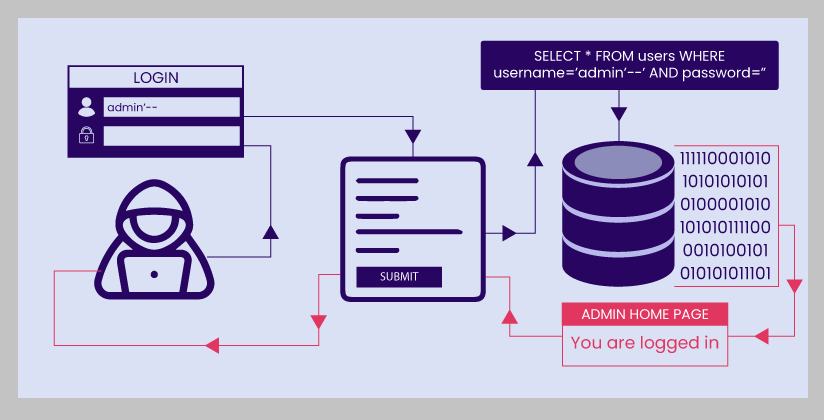
• Backend input validation
• Dependency audits
• Ongoing patch management
A platform that looks premium but has weak security is not impressive—it is fragile.
New entities often discover too late that:
• Security costs money.
• Scalability costs money.
• Monitoring costs money.
• Maintenance costs money.
And none of those are visible on launch day.
A Historical Lesson: 2Advanced and the Flash Era
One of the most iconic examples of aesthetic dominance was 2Advanced Studios and its legendary site 2advanced.com.
In the early 2000s, 2Advanced was widely regarded as one of the most visually impressive web experiences in existence.
Built heavily on Adobe Flash and ActionScript, it featured:
• Cinematic transitions
• 3D-like interactions
• Rich animations
• Interactive storytelling
It felt futuristic.
At the time, Flash represented cutting-edge design freedom. Developers could create immersive experiences that traditional HTML struggled to replicate.
But Flash—and its underlying ActionScript ecosystem—had serious problems:
• Performance issues
• SEO limitations
• Mobile incompatibility
• Security vulnerabilities
• High resource consumption
When major platforms, including Apple, refused to support Flash on mobile devices, the writing was on the wall.
Eventually, browsers phased it out entirely due to performance and security concerns.
What happened to many Flash-centric agencies and projects?
They faded.
Their masterpieces became obsolete.
The lesson was clear:
When you build primarily for visual spectacle on unstable technology, you inherit its risks.
The Double-Edged Sword of New Technology
The web constantly evolves.
Today’s equivalents of early Flash enthusiasm might include:
• Experimental JavaScript frameworks
• Bleeding-edge CSS features
• Emerging runtime environments
• New programming languages not yet battle-tested
New technologies promise:
• Faster performance
• Cleaner syntax
• More expressive interfaces
• Developer happiness
But early adoption carries risk:
• Ecosystem immaturity
• Security blind spots
• Limited documentation
• Smaller talent pools
• Breaking changes
Languages and frameworks need time to mature.
They need:
• Community stress testing
• Real-world attack attempts
• Large-scale deployments
• Patching cycles
Building your entire platform on something that has not yet endured real-world pressure can create long-term fragility.
The Paradox: Beautiful and Successful Platforms Do Exist
It is important to avoid the opposite mistake—assuming beauty does not matter.
Some of the most successful platforms in history are both beautiful and wildly functional.
Consider:
• Apple — Design-centric, but backed by ruthless performance and engineering discipline.
• Airbnb — Visually polished, yet heavily optimized through data-driven experimentation.
• Stripe — Elegant design combined with powerful developer tooling.
• Notion — Clean interface supported by continuous iteration and infrastructure refinement.
These platforms did not succeed because they were pretty.
They succeeded because:
• They solved real problems.
• They tested relentlessly.
• They invested in performance.
• They prioritized scalability.
• They matured alongside their technology stacks.
Beauty was a multiplier—not the foundation.
Why Founders Overcorrect Toward Design
There are psychological reasons founders overinvest in aesthetics:
1. Design is tangible.
You can see progress.
2. Design is controllable.
You can iterate on colors and layout.
3. Marketing feels uncertain.
User acquisition is unpredictable.
4. Infrastructure feels abstract.
Security and scalability are invisible until they fail.
Founders often gravitate toward what feels productive and visible.
Unfortunately, users do not reward visual effort alone.
They reward:
• Value
• Reliability
• Speed
• Clarity
• Trust
The Marketing Budget Problem
A particularly painful scenario emerges when most capital has been allocated to design and development.
At launch:
• There is little money left for paid acquisition.
• There is no runway for experimentation.
• There is no room for messaging pivot.
• There is no PR or growth strategy.
The founder assumes:
“If it’s beautiful, it will spread organically.”
It rarely does.
Without distribution, even the most stunning website is invisible.
Distribution often costs more than design.
Why This Is Both a Positive and Negative Lesson
This pattern is not purely negative.
The Positive Lesson
• Founders learn that aesthetics are not enough.
• They understand the importance of validation.
• They recognize the need for testing.
• They begin valuing sustainable architecture.
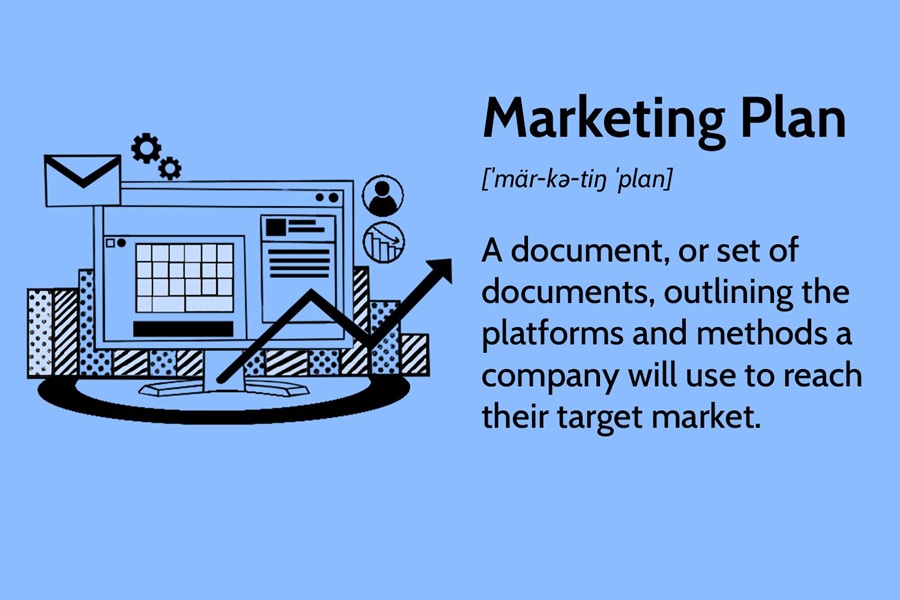
• They respect marketing as a discipline.
This can lead to stronger second products.
The Negative Lesson
• Capital is burned.
• Confidence is shaken.
• Teams dissolve.
• Technical debt accumulates.
• Security vulnerabilities emerge.
• Reputation may suffer.
The cost of learning can be high.
The Mature Approach: Balanced Development
A sustainable web platform balances:
1. Design
2. Functionality
3. Testing
4. Security
5. Performance
6. Marketing
7. Iteration
Before building:
• Validate the problem.
• Validate demand.
• Validate messaging.
During building:
• Implement analytics.
• Plan for scaling.
• Harden authentication.
• Monitor dependencies.
After launch:
• Test continuously.
• Optimize conversion paths.
• Reinforce security posture.
• Allocate budget to distribution.
Beauty should be a strategic enhancement—not a substitute for substance.
Conclusion: The Real Measure of Success
The web is filled with stunning platforms that never achieved meaningful traction.
It is also filled with plain-looking platforms that built billion-dollar businesses.
The difference is rarely color palettes or animations.
It is:
• Distribution strategy
• Product-market fit
• Technical resilience
• Security maturity
• Iterative testing
• Financial planning
The story of 2Advanced and the fall of Flash reminds us that technology fads fade. New frameworks will rise and fall. Visual trends will change.
But the fundamentals endure.br>
In web development and design, the question is not:
“Does it look impressive?”
It is:
• Can users achieve value?
• Can it scale?
• Can it withstand attack?
• Can it adapt?
• Can it be marketed?
• Can it survive technological shifts?
A beautiful platform without these foundations is fragile.
A solid platform with thoughtful design is durable.
The goal is not to reject beauty.
It is to place it in its proper hierarchy—
as an amplifier of value, not a replacement for it.
 5351
5351