Widespread Verizon Outage Leaves Millions Without Service
On January 14, 2026, Verizon Communications — the nation’s largest wireless carrier — suffered a major nationwide network outage that knocked out cellular service for millions of customers across the United States, leading to hours of disruptions in voice, text, and mobile data services.
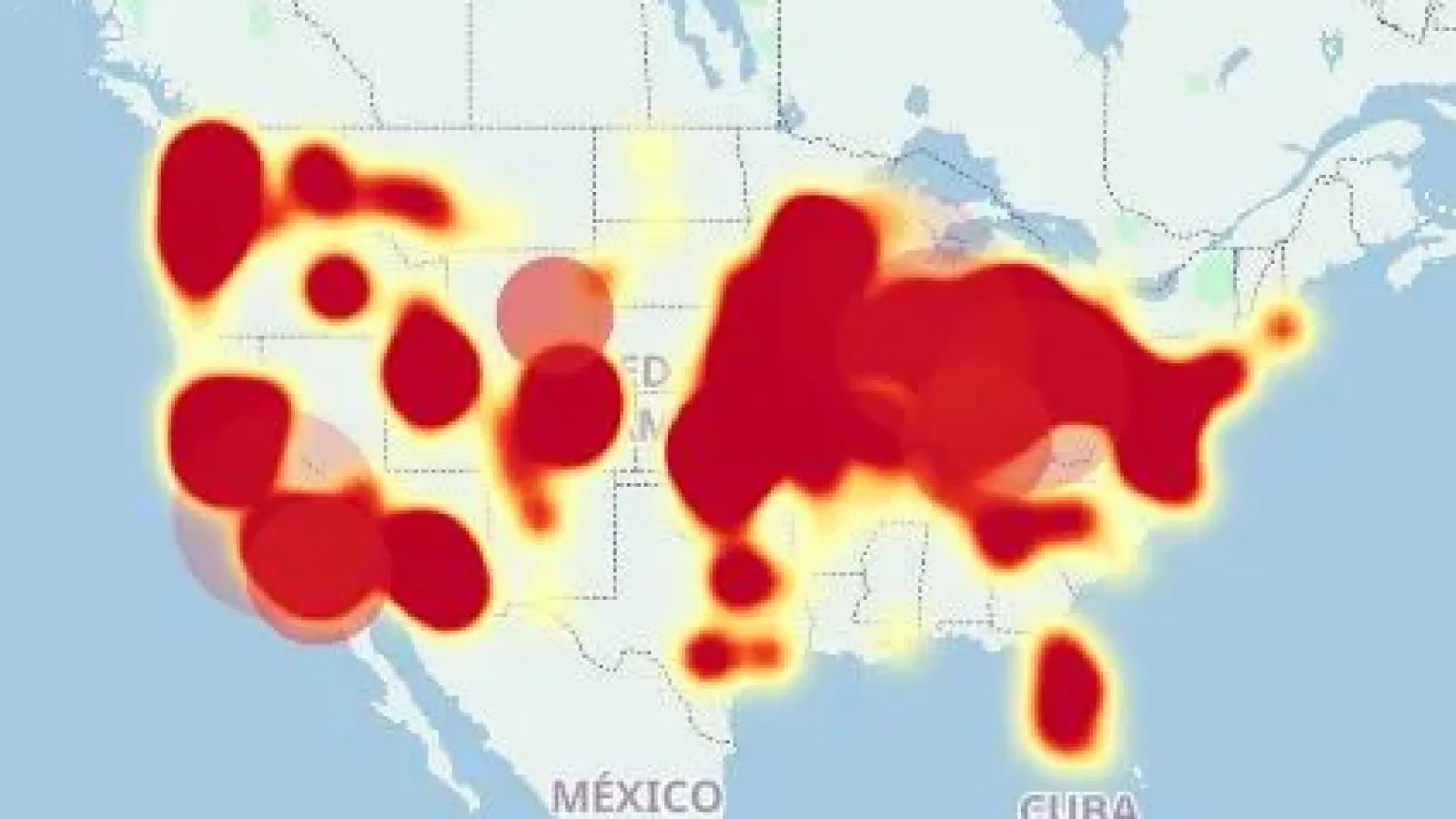
The outage began in the late morning to early afternoon Eastern Time, with reports of service problems spiking on outage-tracking sites such as Downdetector shortly after 12:30 p.m. ET. At the peak of the disruption, tens of thousands of complaints were logged, with reports coming from major metropolitan areas including New York City, Chicago, Washington, D.C., Atlanta, Houston, and Los Angeles.
Many Verizon users saw their phones display “SOS” or “SOS only” in place of normal signal bars — a clear sign that the device had lost its connection to the carrier’s network and could not make traditional calls or access data. While this mode still allows emergency calls, many customers found themselves unable to send texts, browse the internet, or use essential apps dependent on cellular service.
Hours of Lost Connectivity and Public Safety Concerns
The outage lasted about 10 hours, finally being resolved late Wednesday evening when Verizon confirmed that service had been restored by around 10:20 p.m. ET. Engineers worked throughout the day to identify and fix the issue, though the company initially provided limited details on the specific technical cause.
The disruption wasn’t just an inconvenience — it raised public safety concerns. In some cities, officials warned residents that emergency communications via cellular networks might be affected, advising the use of alternative methods to contact 911 when possible.
Verizon’s Response and Customer Compensation
Verizon issued multiple apologies across its official channels, acknowledging that the outage fell short of customer expectations. To partially compensate affected users, the carrier announced a one-time $20 account credit for customers who experienced service loss — a gesture some felt was too modest given the scale of the disruption. Credits can be redeemed through the MyVerizon app.
Verizon also encouraged any customers still experiencing connectivity issues after the outage to restart their devices in order to reconnect to the network.
Cause, Investigation, and Broader Scrutiny
While Verizon ruled out a cybersecurity incident, stating the issue stemmed from what appears to be a software malfunction, detailed technical explanations remain limited. A software-related failure suggests the outage was a resilience and availability problem rather than an external attack, but questions still linger about why fail-safes did not prevent such a widespread collapse.
In the outage’s aftermath, regulatory and governmental scrutiny has intensified. The U.S. House Homeland Security Committee requested briefings from Verizon on the incident, citing concerns about network reliability and implications for emergency and federal operations. More than 2.3 million outage reports were referenced in official correspondence, highlighting the event’s scale and urgency for oversight.
Customer Impact and Industry Reactions
For customers, the outage was more than temporary inconvenience. Loss of connectivity disrupted work communications, personal safety checks, and everyday digital tasks like banking and messaging. On social media platforms, frustrated users shared stories of dropped calls, failed texts, and prolonged loss of service, with some customers voicing longstanding concerns about Verizon’s network reliability.
Competing carriers AT&T and T-Mobile noted that their networks remained operational throughout the outage, using the situation to highlight their own stability without directly criticizing Verizon.
Looking Ahead: Resilience and Reliability
The January 2026 outage serves as a stark reminder of how critical mobile networks have become in daily life and emergency services alike. As Verizon conducts internal reviews and regulators examine systemic vulnerabilities, both customers and policymakers will be watching closely to ensure stronger safeguards are put in place to prevent similar disruptions in the future.
 5847
5847