Great Books Revisited: The Cuckoo’s Egg
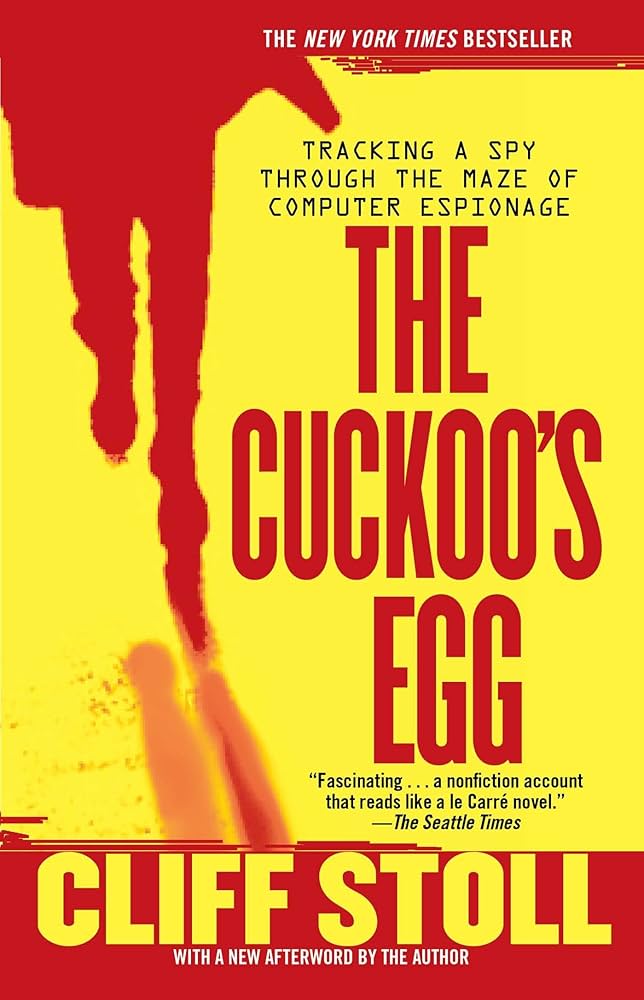
The Cuckoo’s Egg is a true story about how astronomer and computer scientist Clifford Stoll uncovered one of the first known cyber-espionage cases in the late 1980s. What began as a tiny accounting error turned into a months-long investigation involving hackers, Cold War politics, and the early internet.
The Missing 75 Cents
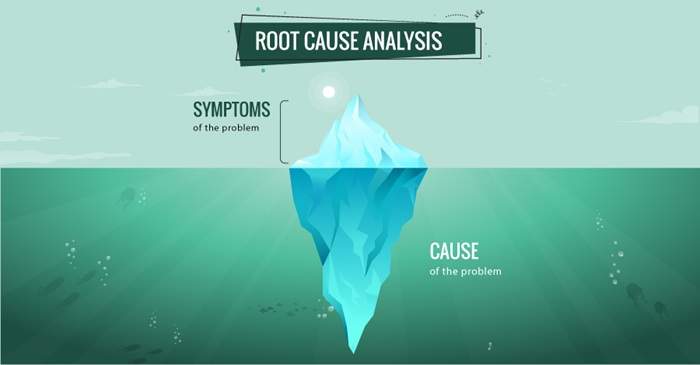
While working as a system administrator at Lawrence Berkeley Laboratory, Stoll notices something odd: the computer accounting system is off by 75 cents. Though his supervisors think it’s insignificant, Stoll becomes obsessed with finding the cause.
He discovers that someone is illegally logging into the lab’s computers. Instead of stealing money, the intruder is using the system as a gateway to access military and research networks across the United States.
Chasing a Ghost in Cyberspace
At the time, computer security is primitive:
- No firewalls
- No intrusion detection
- Minimal logging
Stoll sets traps, monitors connections, and tracks login times manually—sometimes sleeping in his office. The hacker is clever, erasing traces and moving through networks slowly to avoid detection.
Despite clear danger, authorities are skeptical. Cybercrime is still new, and many don’t understand the threat.
A Cold War Revelation
Eventually, Stoll uncovers the truth:
- The hacker is part of a West German group
- They are selling stolen information to the Soviet KGB
- The attacks are aimed at U.S. military and defense systems
This transforms the case from a technical nuisance into an international espionage investigation during the Cold War.
With help from intelligence agencies, the hacker ring is finally identified and arrested.
Bigger Than a Hacker Story
The book isn’t just about catching a hacker. Stoll reflects on:
- The fragility of computer systems
- How trust was built into early networks
- The dangers of ignoring “small” anomalies
- The human element behind technology
He also raises ethical questions about surveillance, privacy, and how technology can be used for both curiosity and harm.
Why the Title Matters
A cuckoo’s egg is laid in another bird’s nest, tricking the host into raising it. Stoll uses this as a metaphor:
- The hacker quietly lived inside trusted systems
- The network unknowingly supported a foreign intruder
Key Takeaways
- Small details can reveal major threats
- Early internet security relied heavily on trust
- Cyber warfare existed long before it was widely recognized
- Persistence and curiosity can outweigh authority and bureaucracy
Why the Book Still Matters
Even decades later, The Cuckoo’s Egg remains relevant. Many modern cybersecurity principles—monitoring, anomaly detection, and zero trust—exist because early incidents like this exposed how vulnerable digital systems really are.
 4413
4413