Identity & Access Management: Securing Business Transformation Through Digital Identity
In today’s digital-first business environment, identity is the new perimeter. As organizations embrace cloud platforms, hybrid IT environments, and remote work, ensuring that the right people have the right access at the right time has never been more critical. Identity and Access Management (IAM) is the cornerstone of secure business transformation, enabling organizations to protect sensitive resources while empowering employees, partners, and customers.
What is Identity & Access Management?
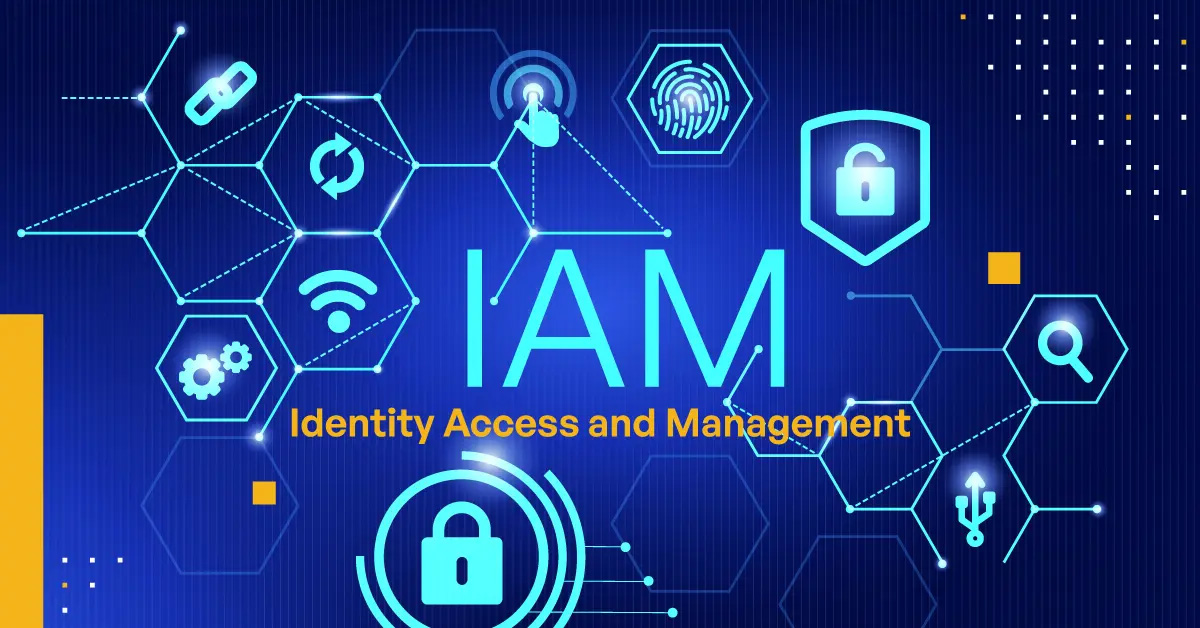
Identity & Access Management (IAM) refers to the policies, processes, and technologies that ensure digital identities are verified, managed, and granted access appropriately. IAM governs who can access which resources, under what circumstances, and with what privileges.
Key components of IAM include:
- Authentication: Confirming a user’s identity, often using passwords, biometrics, or multi-factor authentication (MFA).
- Authorization: Determining what a user is allowed to do once verified.
- User Lifecycle Management: Automating onboarding, role changes, and offboarding.
- Single Sign-On (SSO): Allowing seamless access to multiple applications with one set of credentials.
- Audit & Compliance: Tracking access and maintaining visibility to meet regulatory requirements.
Why IAM Matters for Business Transformation
Modern business transformation initiatives—like cloud migration, digital workplace adoption, and AI-driven automation—introduce new security challenges:
- Expanding Attack Surface: More applications and endpoints mean more potential access points for attackers.
- Regulatory Compliance: Regulations such as GDPR, HIPAA, and SOX require strict controls over access to sensitive data.
- Operational Efficiency: Without IAM, employees may waste time managing credentials or struggle to access necessary resources.
- Third-Party Risk Management: Partners, contractors, and vendors require controlled access without exposing internal systems.
IAM addresses these challenges by ensuring that access is both secure and appropriate, protecting business-critical resources while enabling productivity.
Best Practices for Implementing IAM
To maximize the impact of IAM, organizations should consider the following strategies:
- Adopt a Zero-Trust Approach - Assume that no user or device is automatically trusted. Verify identity continuously and enforce least-privilege access to minimize risk.
- Leverage Multi-Factor Authentication (MFA) - MFA adds an extra layer of security beyond passwords, making it significantly harder for attackers to compromise accounts.
- Automate User Lifecycle Management - Automated onboarding, role changes, and offboarding reduce human error and ensure access is granted or revoked promptly.
- Monitor and Audit Access - Continuous monitoring, logging, and auditing help detect anomalies, support compliance, and improve visibility into who accesses critical resources.
- Integrate IAM Across Platforms -
- Ensure consistent policies across on-premises, cloud, and hybrid environments to prevent gaps that could be exploited.
- Educate Employees - People are often the weakest link. Regular training on secure access practices reinforces IAM policies and reduces human error.
Benefits of IAM
When properly implemented, IAM delivers a wide range of business benefits:
- Enhanced Security: Protects sensitive data and reduces the risk of breaches.
• Improved Compliance: Streamlines reporting and regulatory adherence.
• Operational Efficiency: Reduces helpdesk workload with self-service password resets and automated provisioning.
• Business Agility: Supports secure access to new tools and systems as organizations evolve digitally.
The Future of IAM
As organizations continue to digitize, IAM is evolving to address modern challenges:
- Adaptive Authentication: Dynamic risk-based authentication based on user behavior.
• AI-Driven Access Management: Intelligent anomaly detection to prevent unauthorized access.
• Decentralized Identity Solutions: Giving individuals more control over their digital identities while maintaining security.
Organizations that invest in robust IAM solutions position themselves to transform securely, enabling employees, partners, and customers to interact with systems safely and efficiently.
Bottom Line: Identity and Access Management is not just a security control—it is a strategic enabler of secure business transformation. By implementing IAM best practices, organizations can ensure that the right people have the right access to the right resources—safely, efficiently, and confidently.
 4540
4540