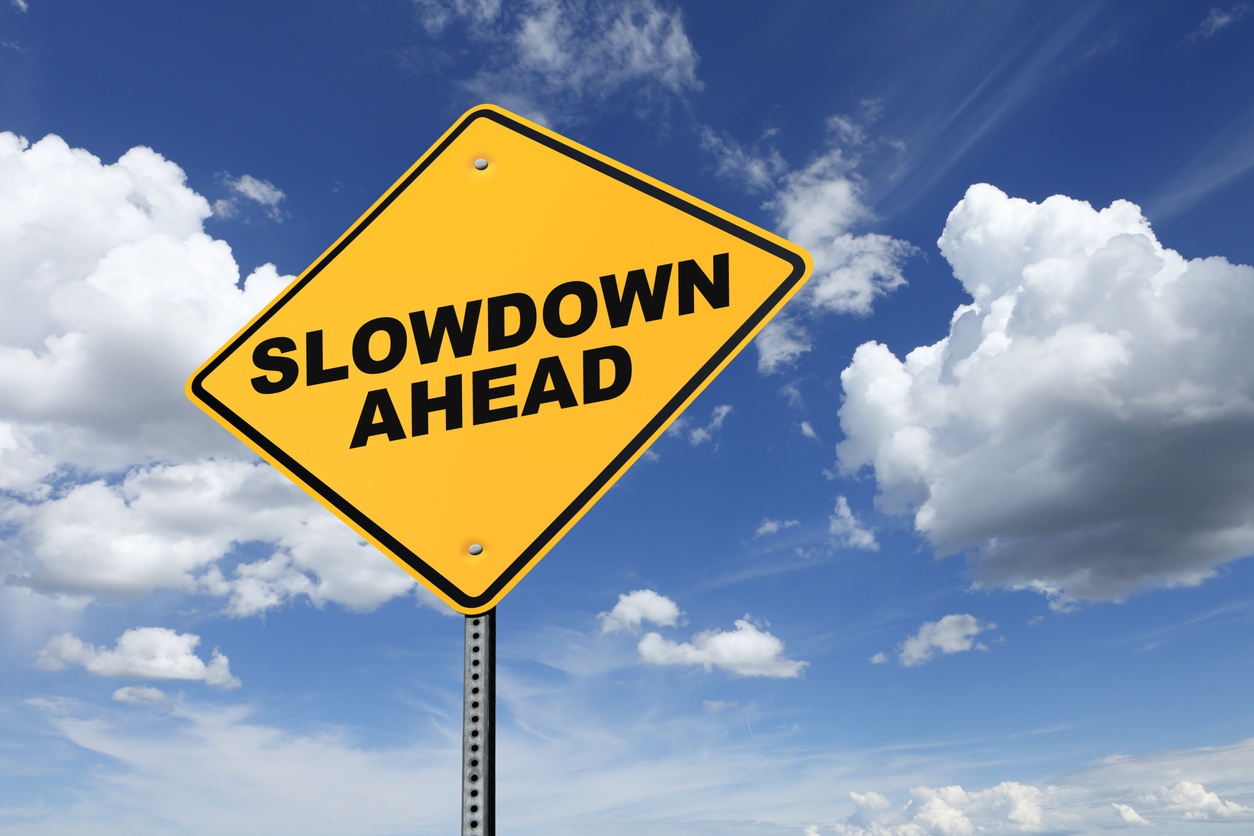
Is the Economy Slowing? Six Practical Steps to Help You Navigate Uncertainty
Signs of a slowing economy are increasingly on the minds of households and businesses alike, as higher interest rates, cautious consumer spending, and global uncertainty weigh on growth. While economists continue to debate whether the slowdown will be mild or prolonged, financial experts agree on one point: preparation matters. For individuals and families, taking proactive steps now can help reduce stress and improve financial resilience.
Here are six practical steps to help you navigate a slowing economy with greater confidence.
1. Reassess Your Budget and Spending
A slowing economy often brings tighter credit and rising costs. Reviewing your budget can help identify non-essential expenses and redirect funds toward necessities and savings. Even small adjustments—such as reducing subscription services or discretionary spending—can add up over time.
2. Build or Strengthen an Emergency Fund
Economic slowdowns can increase the risk of job disruptions or unexpected expenses. Financial planners commonly recommend setting aside three to six months of essential living costs. If building a full emergency fund feels overwhelming, start with smaller, consistent contributions to create a financial buffer.
3. Manage Debt Strategically
High-interest debt can become more burdensome when economic conditions tighten. Prioritizing the repayment of credit cards or variable-rate loans may reduce long-term costs. For some borrowers, consolidating debt or refinancing at a fixed rate can provide stability in an uncertain environment.
4. Diversify Income Streams
During periods of slower growth, relying on a single income source can increase vulnerability. Side work, freelance projects, or monetizing skills and hobbies may provide supplemental income. Even modest additional earnings can help offset rising costs or bolster savings.
5. Review Investments with a Long-Term View
Market volatility often accompanies economic slowdowns. Rather than reacting emotionally to short-term market movements, many advisors encourage investors to revisit asset allocation and ensure portfolios align with long-term goals and risk tolerance. Diversification and regular rebalancing can help manage risk during uncertain periods.
6. Invest in Skills and Career Flexibility
A slowing economy can reshape job markets, making adaptability a valuable asset. Investing in new skills, certifications, or professional development may improve job security and open new opportunities. Staying current in your field can be just as important as financial planning.
Looking Ahead
While economic slowdowns can create anxiety, they also reward preparation and discipline. By focusing on practical steps—budgeting carefully, managing debt, diversifying income, and planning for the long term—individuals can better position themselves to weather uncertainty and emerge stronger when growth resumes.
As economists watch incoming data and policymakers debate next moves, one thing remains clear: taking action early can make a meaningful difference, regardless of how the broader economy unfolds.
 4306
4306