Ghana bans mining in forest reserves to curb environmental damage
In a landmark environmental policy shift, the Government of Ghana has officially banned all mining activities in forest reserves as part of intensified efforts to curb environmental degradation, protect biodiversity and safeguard crucial water resources.
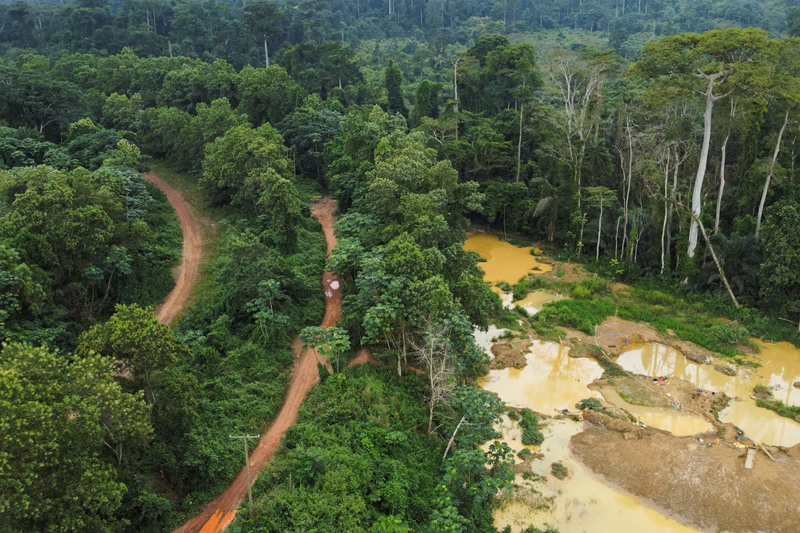
The decision, announced this week and building on earlier legislative efforts, repeals a controversial regulation that previously allowed controlled mining in these ecologically sensitive areas. The policy change comes amid mounting concerns over the devastating impacts of small scale and illegal mining — commonly known as galamsey — which has ravaged forests, polluted rivers, and damaged farmlands across much of the country.
Policy Reversal and Legal Reform
The ban follows the repeal of the Environmental Protection (Mining in Forest Reserves) Regulations, 2022 and related legislative instruments that had permitted limited extraction activities under certain conditions. These rules had faced strong public and environmentalist criticism for weakening safeguards in protected areas and contributing to rapid forest loss.
Acting Environment Minister Emmanuel Armah Kofi Buah said the new policy will “restore stronger legal measures to protect Ghana’s natural resources” by stripping away powers that previously allowed mining approvals in forest reserves after a constitutional waiting period.
Environmental and Economic Impacts
Environmental advocates have largely welcomed the ban’s passage but stress that enforcement will be key to its success. Ghana’s forest reserves — home to rich biodiversity and vital ecosystems — have suffered tens of thousands of hectares of deforestation and irreversible ecological damage due to both legal and illegal mining operations. Chemical pollution from mining has also contaminated rivers that supply drinking water, jeopardizing public health and livelihoods.
The government has pledged to complement the ban with “green mining” strategies, community based protection schemes, and broader forest restoration programs aimed at rehabilitating degraded landscapes. Officials also highlight ongoing efforts to license small scale miners responsibly and curb illicit activities that undermine conservation goals.
Regional and Global Significance
Ghana — one of Africa’s largest gold producers — has grappled with balancing economic benefits from mineral extraction against long term environmental sustainability. The ban signals a stronger commitment to environmental stewardship and aligns with broader commitments to international conservation standards such as the United Nations Sustainable Development Goals.
Civil society groups and forestry experts have urged the government to ensure that implementation and monitoring are adequately resourced, warning that policy alone will not stop the ongoing destruction if illegal mining remains unchecked.
Looking Ahead
With the ban now in force, Ghana’s leaders have called for nationwide cooperation — from local communities to international partners — to protect forests and water bodies, promote sustainable livelihoods, and secure the country’s natural heritage for future generations.
 4305
4305