NewStori...First & Foremost A Quality News Outlet!
Parents will be able to block their children from specific games and experiences on Roblox as part of new safety measures announced by the hugely popular gaming platform.
They will also be able to block or report their children's friends, and the platform will provide more information about which games young users are playing.
The measures will only apply to children who are under the age of 13 and have parental controls set up on their accounts.
The announcements comes after the CEO of Roblox, Dave Baszucki told the BBC that parents should keep their children off the platform if they were "not comfortable" with it.
Roblox - the most popular site in the UK for gamers aged eight to 12 - has been dogged by claims that some children are being exposed to explicit or harmful content through its games.
However, in his BBC interview, Mr Baszucki stressed that the company was vigilant about protecting its users, with "tens of millions" of people having "amazing" experiences on Roblox.
Announcing the latest safety features, Roblox's Chief Safety Officer Matt Kaufman said: "These tools, features, and innovations reflect our mission to make Roblox the safest and most civil online platform in the world."
A spokesperson for the regulator, Ofcom, said the measures were "encouraging", but added "tech companies will have to do a lot more in the coming months to protect children online".
'Shoot down planes'
In preparation for the interview with Mr Baszucki, the BBC found a range of game titles with troubling titles that had been recommended to an 11-year-old on the platform.
They included games such as "Late Night Boys And Girls Club RP" and "Shoot down planes…because why not?"
Parents with linked accounts of children who are 12 and under can now block such titles if they are uncomfortable with them.
They will also be able to go further in managing who their children are friends with.
They can already view their child's friends list - now they can block or report people on that list, preventing them exchanging direct messages.
Messaging between children had already been restricted in measures announced in November last year.
Additionally, parents will now be able to see the top games their child played on Roblox over the last week and how long they spent in each one.
What do parents think?
Sally, from the north of Scotland, told the BBC last month that her nine-year-old daughter was groomed on the platform in December last year. Despite reporting it to Roblox, she never received a response.
She welcomed the announcements as a "start", but said Roblox "needs to do better".
She added: "What's missing is proper authentication of users. How does the company know that users are who they say they are - how will perpetrators be traced when grooming keeps happening?"
Roblox highlighted to BBC News its community standards, which have a zero-tolerance policy for the exploitation of minors.
Amir from Leeds told the BBC last month that his 15-year-old son is "addicted" to Roblox, and can use the site for up to 14 hours a day.
He has welcomed the changes announced today for younger users, but wants the platform itself to do more and target the availability of inappropriate games for children.
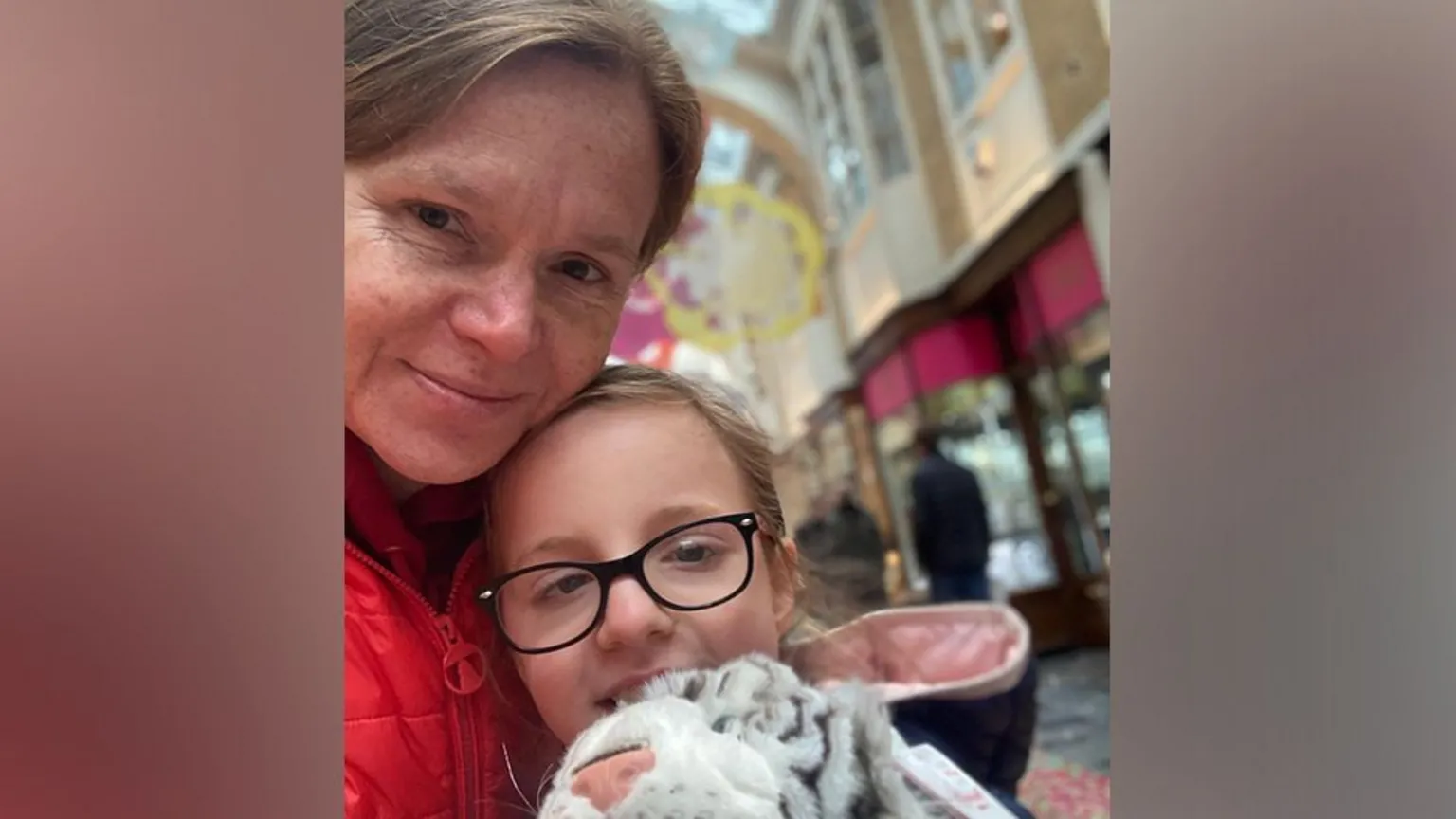
Kathryn Foley's nine-year-old daughter Helene is a regular on Roblox. Kathryn ensures her daughter avoids games where other players would talk to her, or friend requests.
Ms Foley told BBC News: "I know I will absolutely be using the game blocking feature, and to see how long my daughter spends on particular games - and also if she is playing games I didn't know she played."
Kirsty Solman has spoken with the BBC about how Roblox has helped her 13-year-old son Kyle - who has ADHD, autism and severe anxiety - with social interactions.
She said: "These all sound fantastic especially the experience blocking, as a concern is the type of games our children are accessing."
Roblox has also announced the expansion of its voice safety AI (artificial intelligence) model, to help moderate voice chats between players, with the feature now available in seven additional languages.
Meanwhile, Roblox has outlined changes to its advertising model, with players to be paid in-game currency to watch adverts on the platform.

Users on social media have discovered a controversial use case for Google’s new Gemini AI model: removing watermarks from images, including from images published by Getty Images and other well-known stock media outfits.
Last week, Google expanded access to its Gemini 2.0 Flash model’s image generation feature, which lets the model natively generate and edit image content. It’s a powerful capability, by all accounts. But it also appears to have few guardrails. Gemini 2.0 Flash will uncomplainingly create images depicting celebrities and copyrighted characters, and — as alluded to earlier — remove watermarks from existing photos.
As several X and Reddit users noted, Gemini 2.0 Flash won’t just remove watermarks, but will also attempt to fill in any gaps created by a watermark’s deletion. Other AI-powered tools do this, too, but Gemini 2.0 Flash seems to be exceptionally skilled at it — and free to use.
To be clear, Gemini 2.0 Flash’s image generation feature is labeled as “experimental” and “not for production use” at the moment, and is only available in Google’s developer-facing tools like AI Studio. The model also isn’t a perfect watermark remover. Gemini 2.0 Flash appears to struggle with certain semi-transparent watermarks and watermarks that canvas large portions of images.
Still, some copyright holders will surely take issue with Gemini 2.0 Flash’s lack of usage restrictions. Some models, including Anthropic’s Claude 3.7 Sonnet and OpenAI’s GPT-4o, explicitly refuse to remove watermarks; Claude calls removing a watermark from an image “unethical and potentially illegal.”
Removing a watermark without the original owner’s consent is considered illegal under U.S. copyright law (according to law firms like this one) outside of rare exceptions.
Google didn’t immediately respond to a request for comment sent outside of normal business hours.