NewStori...First & Foremost A Quality News Outlet!
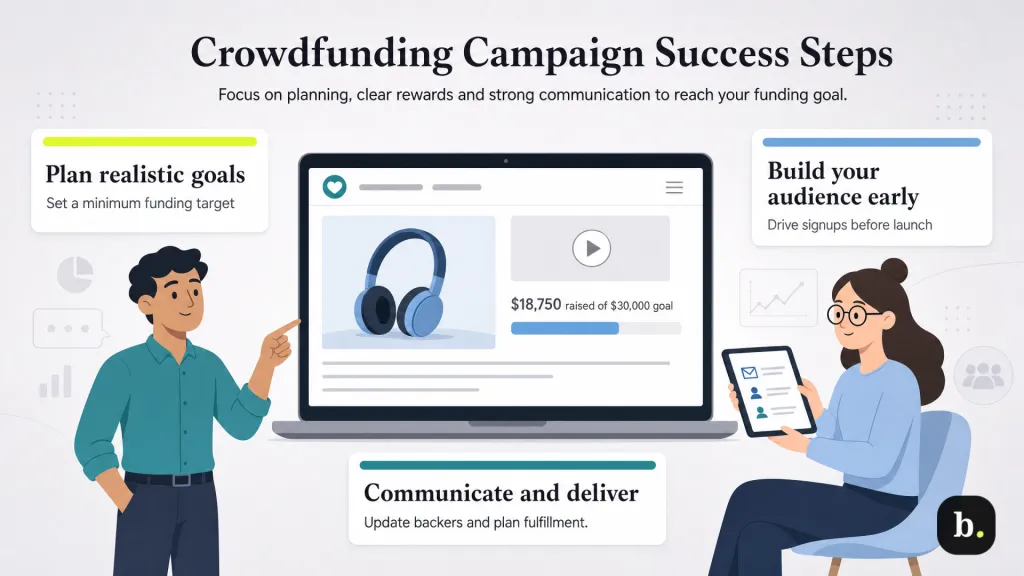
Crowdfunding has become a powerful way for startups and growing companies to raise money from a wide base of investors and backers. With the rise of online platforms and regulatory changes that opened access to non-accredited investors, businesses now have multiple paths to raise capital—far beyond traditional bank loans and venture capital.
However, planning and executing a crowdfunding initiative legally and successfully requires careful preparation, understanding of regulations, strategic marketing, and financial transparency.
This guide will walk you through:
• What crowdfunding is and how it works
• Types of funding (donation, rewards, equity, debt)
• Legal and regulatory requirements
• Required paperwork and financial filings
• Hurdles and best practices for success
• Advantages and disadvantages
• DIY versus using crowdfunding platforms
What Is Crowdfunding?
Crowdfunding is a method of raising funds from a large number of people, typically through an online platform. Rather than seeking one or a few big investors, a company solicits smaller contributions from many supporters.
Crowdfunding can be broadly divided into:
1. Donation-Based Crowdfunding
Backers contribute without expecting financial returns. Example: raising funds for a community project.
2. Rewards-Based Crowdfunding
Backers receive non-financial rewards (products, services, acknowledgments). Example: funding a new gadget with early access perks.
3. Equity Crowdfunding
Backers become owners by buying shares or equity in the company.
4. Debt Crowdfunding (Peer-to-Peer Lending)
Backers lend money in exchange for repayment with interest.
Each type has different legal, financial, and administrative requirements.
Types of Funding: Seed, Series A, Series B, etc.
In the journey of startup fundraising, “crowdfunding” is usually one piece in a broader financial trajectory. Entrepreneurs should understand how it fits within typical funding stages:
Seed Funding
• Purpose: Initial capital to turn an idea into a product or service.
• Sources: Founders, friends and family, angel investors, early crowdfunding.
• Amount: Typically $10k–$2M, varies widely.
Crowdfunding often occurs at the seed stage, especially equity crowdfunding, to validate demand and raise initial capital.
Series A Funding
• Purpose: Scale product and market reach.
• Sources: Venture capital (VC) firms.
• Amount: Typically $2M–$15M.
After a successful crowdfunding and proof of traction, companies often pursue Series A.
Series B, C, and Beyond
• Purpose: Scale further, expand into new markets, acquisitions.
• Sources: Larger VC firms, institutional investors, strategic partners.
• Amounts: $10M–hundreds of millions.
Equity crowdfunding participation generally decreases as companies command higher valuations and turn to institutional investors.
Legal & Regulatory Framework
Crowdfunding may be subject to securities and consumer regulations, depending on the model.
Donation & Rewards Crowdfunding
Platforms like GoFundMe or Kickstarter typically do not involve securities. Contributors receive products or goodwill, so securities laws don’t apply.
However, companies must still avoid false advertising and ensure they can deliver promised rewards.
Equity & Debt Crowdfunding
When contributors receive financial returns (shares or interest), securities laws apply. In the U.S., the Securities and Exchange Commission (SEC) regulates offerings under rules such as:
• Regulation Crowdfunding (Reg CF)
• Regulation A+ (Reg A Tier 1 & 2)
• Regulation D (including Rule 506(b) & 506(c))
These rules dictate how much you can raise, who you can accept funds from, and what disclosures you must provide. Key differences include:
Rule Max Raise Accredited Investors? Disclosure Requirements
Reg CF Up to ~$5M/year No (all investors) Form C, financials
Reg A+ Tier 2 Up to ~$75M No limits Tiered disclosures & audited financials
Reg D 506(b/c) Unlimited Accredited only Form D filing
Note: Amount limits change periodically; always verify current caps with regulatory sources.
Required Paperwork and Filings
Depending on your crowdfunding model and regulation used, you must prepare:
For Reward & Donation Crowdfunding
• Campaign description and terms
• Reward fulfillment plans
• Marketing materials
You typically won’t file with securities regulators, but you should keep clear records for taxes and compliance.
For Equity or Debt Crowdfunding
You’ll likely need to prepare and file:
1. Offering Documents
Depending on the regulation, this may include:
• Form C (Reg CF)
• Offering Circular (Reg A+)
• Private placement memorandum (for Reg D 506(b))
These documents contain:
• Business description
• Management team bios
• Risk factors
• Use of proceeds
• Financial statements
2. Financial Statements
Regulators require financial transparency:
• Reg CF: May require reviewed or audited financials beyond certain thresholds.
• Reg A+: Requires financial statements, often audited.
• Reg D: Less formal disclosure, but investor expectations often still demand strong financial transparency.
3. Form D Filing
For Reg D offerings (506(b) / 506(c), even if not public), you must file Form D with the SEC within 15 days after the first sale of securities.
4. State Filings
Many states require Blue Sky filings for securities offerings.
Company Financials: What Investors Care About
Financial transparency is crucial for trust and compliance.
Balance Sheet
Shows company assets, liabilities, and equity.
Income Statement
Tracks revenue, expenses, and profitability.
Cash Flow Statement
Reveals how money moves in and out of the business.
Financial Ratios
Investors analyze:
• Burn Rate: How quickly the company uses cash.
• Runway: Time before funds run out.
• Gross Margin: Profitability per unit.
• Valuation Metrics: Helps price equity shares fairly.
Strong, honest financial reporting increases credibility and investor confidence.
Hurdles and Challenges
Crowdfunding success isn’t just about launching a campaign—there are multiple challenges:
1. Regulatory Complexity
Equity crowdfunding involves compliance with securities laws, disclosure requirements, and ongoing reporting in some cases.
Missing filings or misstatements can lead to fines or enforcement action.
2. Marketing and Visibility
A successful campaign needs significant promotion:
• Social media
• Email lists
• PR outreach
• Influencers and community engagement
Without visibility, many campaigns fall short of their goals.
3. Delivering on Promises
For reward crowdfunding, failing to deliver promised products or rewards can damage reputation and lead to legal problems.
4. Financial Preparation
Investors demand accurate and detailed financials. Many startups struggle to produce regulated financial statements without professional accounting help.
5. Platform Selection
Choosing the wrong platform or model can lead to missed funding potential or higher costs.
Advantages of a Successful Crowdfunding Initiative
Crowdfunding offers several benefits:
1. Access to Capital Without Traditional Investors
Small companies can raise funding without VC or bank involvement.
2. Market Validation
Strong crowdfunding interest often signals product-market fit and builds early user communities.
3. Brand Exposure
Campaigns often generate publicity and brand awareness before a formal product launch.
4. Diverse Funding Options
Unlike traditional funding, crowdfunding allows a mix of:
• Donations
• Rewards contributions
• Equity investment
• Debt financing
5. Investor Community
Equity crowdfunding builds a base of engaged supporters who may become repeat customers or advocates.
Disadvantages and Risks
Crowdfunding has its downsides:
1. Cost and Fees
Platforms charge fees (5–10% is common), plus payment processing fees.
2. Time and Effort
Campaigns require significant planning, marketing, and back-end work.
3. Regulatory Compliance
Equity crowdfunding adds complexity and ongoing disclosures that can be expensive.
4. Risk of Failure
If your campaign doesn’t reach its goal, you may not receive any funding (especially on all-or-nothing platforms).
5. Reputation Risks
Missed deadlines or underdelivery on rewards can harm long-term reputation.
DIY Crowdfunding vs. Using a Platform Like StartEngine or GoFundMe
Your crowdfunding success largely depends on how you structure and host the campaign.
DIY Crowdfunding
If you run your own campaign (e.g., on your website):
Pros:
• Full control over branding and terms
• Lower platform fees
• Full access to supporter data
Cons:
• Must build your own payment and compliance infrastructure
• Higher technical and legal burden
• You’re responsible for security and fraud prevention
DIY is more common in rewards crowdfunding for smaller campaigns.
Using a Platform
Online platforms provide tools, traffic, compliance support, and built-in audiences.
Examples
• StartEngine: An equity crowdfunding platform designed for Reg CF and Reg A offerings.
• GoFundMe: A donation-based crowdfunding platform for personal, charitable, or creative campaigns.
Pros:
• Built-in user base and visibility
• Compliance support and legal infrastructure
• Secure payment processing
• Campaign templates and support teams
Cons:
• Platform fees
• Less control over user data
• Competition with other campaigns
Platforms like StartEngine also help with investor accreditation checks, regulatory filings, and escrow services.
Best Practices for a Successful Campaign
No matter the model, here are tips that increase your chances of success:
1. Prepare Early
Start building your audience before launching.
2. Tell a Compelling Story
Explain why your project matters and what problem it solves.
3. Be Transparent
Clearly share your financial situation, risks, and plans for using funds.
4. Create Attractive Rewards or Equity Terms
For reward crowdfunding, offer meaningful perks.
For equity crowdfunding, price shares fairly with realistic valuation.
5. Communicate Consistently
Provide campaign updates and engagement—donors and investors want regular progress reports.
6. Ask for Help
Professional legal, accounting, and marketing advisors can help you avoid costly mistakes.
Conclusion
A successful and legal crowdfunding initiative can be transformative for a company—providing capital, community support, brand exposure, and validation. But it’s not a shortcut: it involves careful planning, legal compliance, strategic marketing, and financial accountability.
Whether you choose donation, rewards, or equity crowdfunding—or pair crowdfunding with later seed, Series A, or growth rounds—the key is:
Be prepared, be transparent, and build trust.
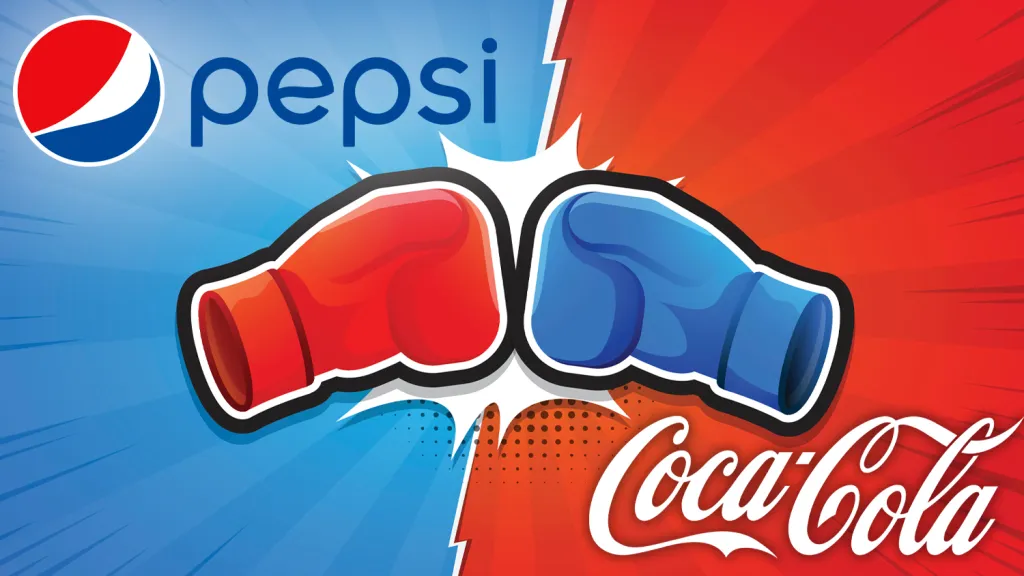
The Coca-Cola Company launched a bold new marketing campaign aimed squarely at one of the most enduring rivalries in consumer history: its competition with PepsiCo. The campaign marks a strategic effort by Coca-Cola to reclaim—and reinforce—its longstanding dominance in the fast-food and quick-service restaurant (QSR) sector, a battleground that has increasingly become central to the modern “cola wars.”
This latest initiative is more than just advertising; it represents a coordinated push that combines brand positioning, partnerships, and cultural messaging to counter Pepsi’s recent momentum in taste-focused marketing and experiential campaigns. At its core, Coca-Cola’s message is clear: when it comes to pairing beverages with food, Coke remains the undisputed leader.
The Campaign: Reclaiming the “Food Companion” Narrative
Coca-Cola’s 2026 campaign is built around a simple but powerful idea—positioning Coke as the default beverage choice for fast food across a wide range of cuisines and dining experiences.
For the first time, the company has unified a broad coalition of major restaurant partners in a single campaign. These include prominent QSR brands such as:
• Domino’s
• Five Guys
• Wendy’s
• Popeyes
• Sonic Drive-In
• Whataburger
• Wingstop
The campaign spans categories including burgers, pizza, sandwiches, fried chicken, and Asian cuisine, reinforcing Coke’s presence across nearly every major fast-food segment.
By showcasing this extensive partner network, Coca-Cola is effectively arguing that its product is not just a beverage—but an essential part of the fast-food experience.
A Strategic Counter to Pepsi’s Messaging
Coca-Cola’s move comes in direct response to years of aggressive marketing from Pepsi, which has increasingly positioned itself as the superior choice based on taste—especially in the context of food.
Pepsi’s revival of the Pepsi Challenge, a long-running blind taste test campaign, has been central to this effort. In its most recent iteration, the company claimed that a majority of participants preferred Pepsi Zero Sugar over Coca-Cola’s equivalent. (PepsiCo)
In addition, Pepsi’s 2026 Super Bowl campaign leaned heavily into humor and cultural relevance, even featuring Coca-Cola’s iconic polar bear choosing Pepsi in a blind taste test—an unmistakable jab at its rival. (Communicate Online)
Coca-Cola’s new campaign directly counters this narrative by shifting the focus away from taste tests and toward contextual consumption—specifically, how beverages complement food.
Rather than debating which soda tastes better in isolation, Coca-Cola is reframing the conversation: what matters is how the drink enhances the meal.
Reinforcing Dominance in Foodservice Channels
The fast-food sector is one of the most important distribution channels for soft drink companies. Unlike retail sales, where consumers can choose between brands, restaurant partnerships often involve exclusive contracts that lock in a single beverage provider.
Coca-Cola has historically held a strong position in this space, supplying beverages to a vast network of QSR chains worldwide. The new campaign leverages this advantage by making these partnerships highly visible to consumers.
Recent business developments further strengthen Coca-Cola’s position. In April 2026, the company secured a major deal with Marriott International, replacing Pepsi as the hotel chain’s beverage provider across thousands of properties globally.
This follows earlier moves such as Coca-Cola’s return to Costco food courts, signaling a broader trend of the company reclaiming high-traffic foodservice accounts.
Together, these developments reinforce Coca-Cola’s dominance not just in fast food, but across the broader hospitality and dining ecosystem.
The Evolution of the Cola Wars
The rivalry between Coca-Cola and Pepsi—often referred to as the “cola wars”—has spanned more than a century, evolving through multiple phases of competition.
Historically, Pepsi positioned itself as the challenger brand, using tactics such as:
• Blind taste tests
• Celebrity endorsements
• Youth-focused marketing
Coca-Cola, by contrast, has emphasized:
• Brand heritage and authenticity
• Emotional storytelling
• Global consistency
Despite periodic shifts in market share, Coca-Cola has maintained a lead in most global markets.
In recent years, however, the battleground has shifted. Instead of competing solely on taste or branding, both companies are now focusing on:
• Consumption occasions (e.g., meals vs. standalone drinking)
• Product innovation (e.g., zero-sugar and functional beverages)
• Experiential marketing
Coca-Cola’s 2026 campaign reflects this evolution, emphasizing where and how its products are consumed rather than just what they taste like.
Why Fast Food Matters More Than Ever
1. High-Volume Consumption
Fast-food restaurants serve millions of customers daily, making them a critical driver of beverage sales. Securing exclusive partnerships with these chains ensures consistent, high-volume demand.
2. Brand Association
When consumers repeatedly see Coca-Cola paired with their favorite meals, it reinforces brand loyalty and familiarity. Over time, this association becomes deeply ingrained.
3. Limited Consumer Choice
In many QSR settings, customers do not choose between Coke and Pepsi—they choose whether or not to buy a drink at all. This makes securing the contract itself a decisive advantage.
4. Cultural Relevance
Fast food is a major part of modern culture, particularly among younger consumers. By aligning itself with popular chains, Coca-Cola remains culturally relevant and visible.
Campaign Messaging and Creative Strategy
Coca-Cola’s campaign uses a combination of visual storytelling and brand partnerships to convey its message.
Key elements include:
• Real-world restaurant settings featuring Coca-Cola products
• Cross-brand collaboration, highlighting multiple QSR partners in a unified narrative
• Food-centric imagery, emphasizing how Coke complements meals
This approach contrasts sharply with Pepsi’s more entertainment-driven campaigns, which often rely on humor, celebrity appearances, and spectacle.
By focusing on everyday dining experiences, Coca-Cola is aiming for authenticity and relatability—qualities that resonate strongly with consumers.
The Role of Product Innovation
While the campaign emphasizes traditional Coca-Cola products, it also aligns with broader trends in the beverage industry.
Both Coca-Cola and Pepsi have been investing heavily in:
• Zero-sugar and low-calorie options
• Functional beverages (e.g., prebiotic sodas)
• New flavors and packaging formats
For example, Coca-Cola has expanded its lineup of mini cans and zero-sugar variants, catering to changing consumer preferences. Meanwhile, Pepsi has introduced innovations such as prebiotic cola to appeal to health-conscious consumers.
These innovations are increasingly important in the fast-food context, where consumers are seeking more diverse and health-conscious options.
Competitive Implications
Coca-Cola’s campaign is likely to have several implications for the competitive landscape.
Strengthening Existing Partnerships
By publicly showcasing its restaurant partners, Coca-Cola reinforces these relationships and makes it more difficult for competitors to displace them.
Shaping Consumer Perception
The campaign aims to influence how consumers think about beverage choices, positioning Coke as the natural complement to food.
Forcing a Strategic Response from Pepsi
Pepsi may need to adjust its messaging to compete more directly in the foodservice space, rather than focusing primarily on taste and entertainment.
Challenges and Risks
Despite its strengths, Coca-Cola’s strategy is not without challenges.
Changing Consumer Preferences
Growing demand for healthier beverages could reduce overall soda consumption, particularly in fast-food settings.
Competitive Innovation
Pepsi’s focus on taste and product innovation continues to resonate with certain segments of consumers.
Market Saturation
With both companies heavily invested in marketing, it can be difficult to differentiate campaigns in a crowded media landscape.
Broader Industry Context
The beverage industry is undergoing significant transformation, driven by:
• Health and wellness trends
• Sustainability concerns
• Technological advancements
In this environment, traditional soda brands must adapt while maintaining their core identity.
Coca-Cola’s campaign reflects an effort to balance these priorities—leveraging its legacy while adapting to modern consumer behavior.
Future Outlook
Looking ahead, the competition between Coca-Cola and Pepsi is likely to intensify across several fronts:
1. Foodservice Expansion
Both companies will continue to compete for exclusive partnerships with restaurants, hotels, and other dining venues.
2. Product Diversification
Innovation in low-sugar, functional, and alternative beverages will play a key role in attracting new consumers.
3. Digital and Experiential Marketing
Brands will increasingly use digital platforms and immersive experiences to engage with audiences.
4. Global Growth
Emerging markets will remain a critical battleground, with both companies seeking to expand their presence.
Conclusion
Coca-Cola’s 2026 campaign to reassert its fast-food dominance over Pepsi represents a strategic shift in the ongoing cola wars. By focusing on real-world consumption contexts and leveraging its extensive network of restaurant partners, the company is reinforcing its position as the go-to beverage for meals.
At a time when Pepsi is emphasizing taste superiority and cultural relevance, Coca-Cola is doubling down on ubiquity and association—arguing that its product is not just a choice, but a default.
This battle is far from over. As consumer preferences evolve and new technologies reshape the industry, both companies will continue to innovate and adapt. But for now, Coca-Cola’s latest campaign signals a clear message: when it comes to fast food, Coke intends to remain on top.