NewStori...First & Foremost A Quality News Outlet!
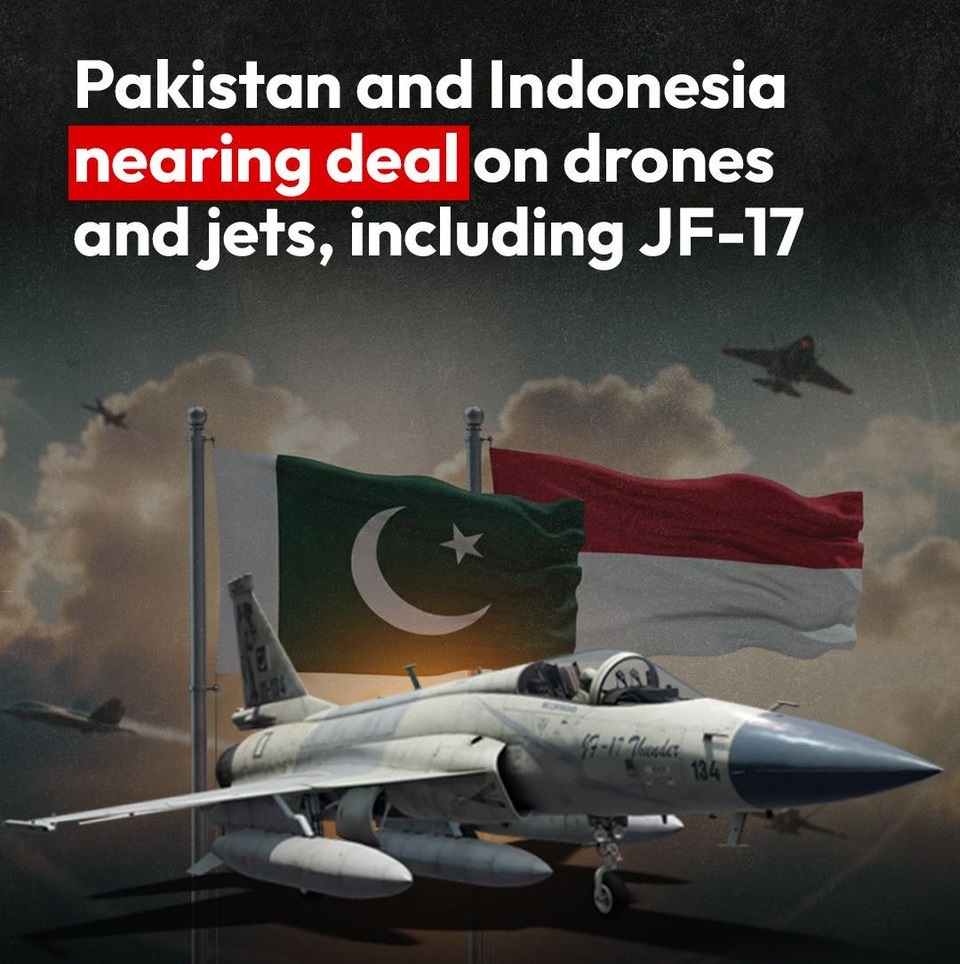
ISLAMABAD/JAKARTA — January 12, 2026 — Pakistan and Indonesia are advancing toward a potentially significant defence cooperation agreement that could see Jakarta acquire combat jets and armed drones from Islamabad, officials and defence sources told Reuters on Monday. The discussions mark a deepening of bilateral ties and reflect both nations’ ambitions in regional security and defence modernization.
At the heart of the proposed deal are JF-17 Thunder fighter jets, a multi-role combat aircraft co-developed by Pakistan and China, along with “killer” drones designed for surveillance and strike operations. Security officials who spoke on condition of anonymity said talks were in an advanced stage and could involve over 40 JF-17 jets, though no formal agreements have been signed yet.
The potential transaction was discussed during a meeting in Islamabad between Indonesia’s Defence Minister Sjafrie Sjamsoeddin and Pakistan Air Force Chief Marshal Zaheer Ahmed Baber Sidhu, with both sides emphasizing broader defence cooperation and strategic dialogue. A spokesperson for Indonesia’s Defence Ministry described the exchange as focusing on long-term collaboration, communications between institutions, and mutually beneficial partnerships — but made clear that no final decisions had been reached.
Strengthening Air Power and Defence Ties
For Indonesia, the talks reflect an ongoing push to upgrade its aging air force fleet. The Southeast Asian archipelago has already diversified its procurement in recent years, placing orders for 42 French Rafale jets and 48 Turkish KAAN fighters to bolster capabilities. Jakarta has also explored other options, including Chinese and U.S.-made aircraft, as it seeks a balanced and modernized force posture.
Pakistan, meanwhile, is positioning itself as an emerging player in global defence exports. The JF-17 Thunder has been central to Islamabad’s export strategy, with interest growing after its brief deployment during a recent conflict with India, according to analysts. Beyond Indonesia, Pakistan is pursuing other defence deals with countries across Asia and Africa, including Libya, Sudan, and Bangladesh, aiming to expand its footprint and generate foreign revenue through military sales and training cooperation.
What’s on the Table
In addition to the combat jets, Indonesian officials indicated interest in Pakistan’s Shahpar drones, which can conduct reconnaissance and precision strikes. Sources also discussed possible training programs for Indonesian air force personnel and engineering staff as part of a broader defence cooperation framework. However, delivery timelines and the structure of any formal agreement remain unclear, with both governments stressing that negotiations are still ongoing.
Broader Geopolitical Context
The potential deal comes amid shifting security dynamics in the Indo-Pacific region, where countries are recalibrating defence partnerships in response to rising tensions and changing strategic priorities. For Pakistan, strengthening ties with Indonesia — the world’s largest Muslim-majority nation — could enhance its diplomatic outreach and bolster economic gains from defence exports. For Indonesia, diversifying suppliers offers a hedge against geopolitical uncertainties while modernizing its air defence capabilities.
As talks continue, defence analysts will be watching whether this emerging pact materializes into concrete contracts, potentially reshaping military cooperation and defence industrial ties between the two Asian nations.
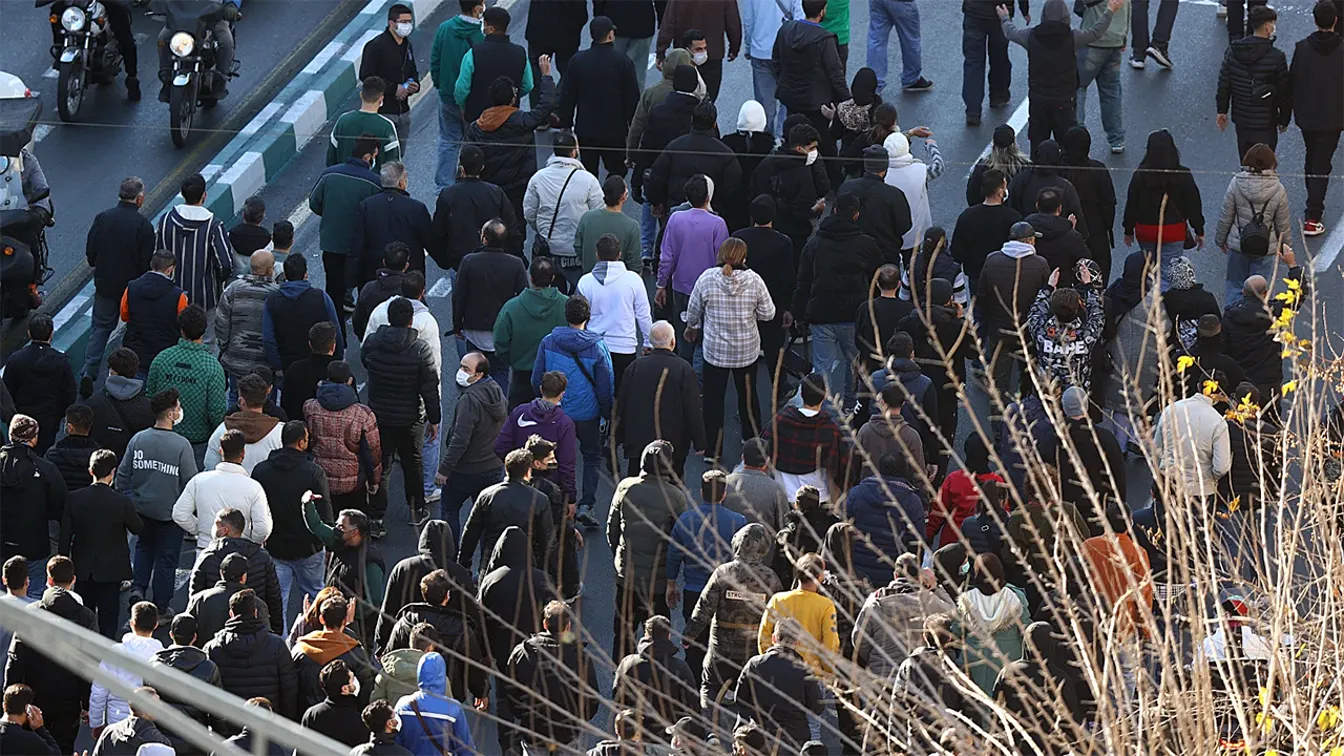
Protests escalated across Iran on Monday as demonstrators confronted security forces in Tehran and Mashhad, with authorities deploying tear gas amid strikes and street clashes, according to reports.
An Iranian opposition group, the National Council of Resistance of Iran, reported that a large crowd of demonstrators marched along Jomhouri (Republic) Street before moving into nearby areas, including Naser Khosrow Street and Istanbul Square in Tehran.
Central parts of Tehran turned into flashpoints as protesters and regime security forces engaged in running street clashes near major government and commercial areas.
Police units fired tear gas and used batons to break up crowds in the city center, according to accounts from the scene.
Demonstrators responded with chants of "Shameless! Shameless!" and pushed back, forcing security forces to retreat from several areas.
Nationwide strikes and protests by merchants continued across Iran, with shops shuttered in major commercial hubs including Tehran’s Grand Bazaar, Lalehzar Street, Naser Khosrow and Istanbul Square. Demonstrators chanted anti-government slogans calling for the downfall of the ruling clerics and demanding the leadership step aside.
Video circulating online showed protesters inside a major shopping complex in Tehran’s Grand Bazaar chanting, "Have no fear, we are all together," while hurling insults at security forces and calling them shameless.
Additional footage from Tehran’s bazaar districts showed crowds chanting "Death to the dictator," calling on merchants to shut down their shops and demanding President Masoud Pezeshkian step aside, as voices in the video said businesses had closed in protest.
Other video clips captured demonstrations across different parts of Tehran, including footage showing protesters attacking and damaging the car of a cleric aligned with the regime.
In another video, an Iran International reporter narrated scenes from the protests with subtitles, describing clashes between demonstrators and security forces as unrest spread through the capital.
By Monday afternoon, the unrest had spread to the northeastern city of Mashhad, where demonstrators gathered in central squares and clashed with riot police who moved in with batons. Protesters pushed back as confrontations escalated.
In another report, the IRGC-run Fars News Agency wrote, "Eyewitnesses reported to Fars that among the crowd of about 200 people, there were small cells of five to 10 individuals chanting slogans that went beyond economic demands."
"At the same time as these gatherings, Maryam Rajavi called for the ‘formation of a chain of protests,’" the report continued. "An informed source at the Ministry of Intelligence said the pattern was in line with what it described as an effort to turn economic grievances into political instability."
Iran International also reported on the protests, saying Pezeshkian said Monday he has instructed his interior minister to open talks with representatives of the protesters, marking his first official response to the unrest.
The protests, which continued into the night, gained international attention, with former Israeli Prime Minister Naftali Bennett calling for protesters to rise up in a video posted to X.
"The Iranian people have a glorious past, and they can have an even more glorious future," Bennett said. "That future depends on every one of you."
Also weighing in was former Secretary of State Mike Pompeo, who said it was no surprise Iranians are taking to the streets amid a collapsing economy he blamed on the regime’s extremism and corruption.
"It’s no surprise that the people of Iran are taking to the streets to protest the collapsing economy," Pompeo said. "The Iranian regime has ruined what should be a vibrant and prosperous country with its extremism and corruption.
"The people of Iran deserve a representative government that serves their interests — not those of the mullahs and their cronies," he added.
The NCRI claimed earlier in the day that security forces linked to the IRGC were placed on heightened alert in Tehran, with additional units on standby in nearby provinces. The claims could not be independently verified.
In a statement, Maryam Rajavi, NCRI president-elect, said the protests reflected public anger over high prices, inflation and political repression, and called on Iranians to support the striking merchants.
The Iranian rial has fallen to a new record low against the U.S. dollar. Official data show year-on-year inflation reached 52.6% in December, while average annual inflation was 42.2%.
Videos circulating online show chants against government officials and growing frustration among merchants, a group traditionally viewed as a key pillar of regime support.