NewStori...First & Foremost A Quality News Outlet!
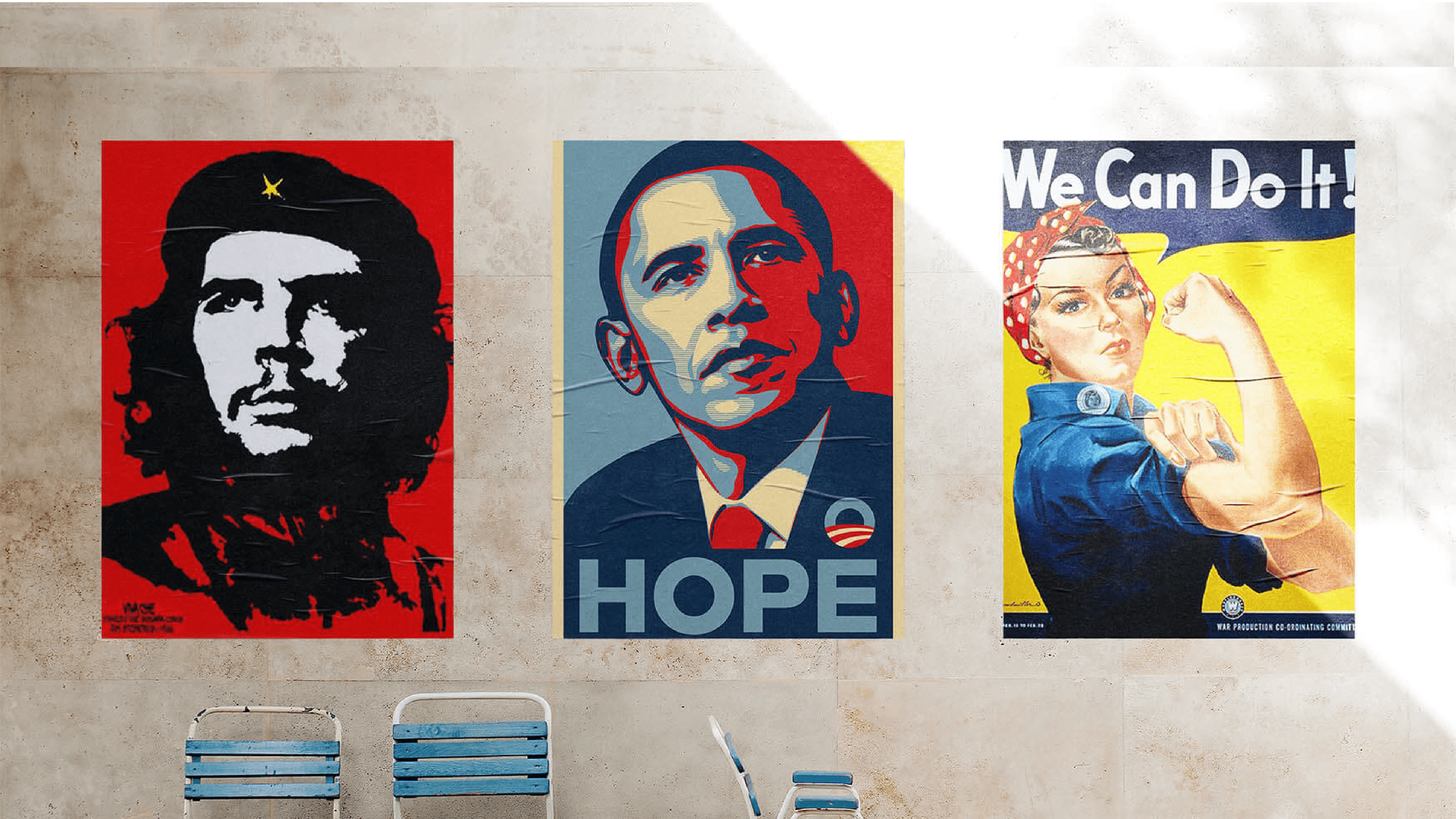
Propaganda is one of the most powerful tools ever developed for shaping public opinion. From ancient empires to modern digital platforms, leaders, organizations, and movements have used it to influence how people think, feel, and act. While propaganda can sometimes be used for positive purposes—such as public health campaigns—it is often associated with manipulation, misinformation, and social control.
Below are ten essential “keys” that explain how propaganda works and why it remains so effective.
1. Emotional Appeal Over Rational Argument
One of the most important keys to propaganda is its reliance on emotion rather than logic. Human beings are emotional decision-makers; we often justify our choices rationally after we have already made them emotionally.
Propaganda leverages fear, pride, anger, hope, resentment, or love to drive responses. During both World War I and World War II, governments used posters that stirred fear of the enemy or pride in national identity. Emotional triggers bypass critical thinking and create immediate psychological engagement.
When people feel threatened, inspired, or outraged, they are more likely to accept simplified narratives without questioning their accuracy.
2. Repetition
Repetition creates familiarity, and familiarity creates acceptance. The more often a message is repeated, the more “true” it feels—a phenomenon known as the illusory truth effect.
The Nazi regime under Adolf Hitler and his propaganda minister Joseph Goebbels mastered the art of repetition. Messages about racial superiority and national destiny were echoed across speeches, newspapers, radio broadcasts, and posters until they became embedded in public consciousness.
Modern digital media has amplified this key dramatically. Social media algorithms repeat similar narratives in users’ feeds, reinforcing beliefs and limiting exposure to alternative viewpoints.
3. Simplification and Slogans
Propaganda thrives on simplicity. Complex political, economic, or social issues are reduced to short slogans or binary choices.
Phrases like “You’re either with us or against us” eliminate nuance and frame issues in absolute terms. During the Cold War, messaging often reduced geopolitics to a struggle between “freedom” and “communism,” particularly in speeches by leaders such as Ronald Reagan.
Slogans are easy to remember and easy to repeat. They travel quickly through populations and require little cognitive effort to process.
4. Creation of an Enemy
A unifying enemy strengthens group identity. Propaganda frequently identifies a scapegoat responsible for social problems. By focusing anger and blame outward, leaders can consolidate power internally.
In Nazi Germany, Jews were falsely portrayed as responsible for economic decline and social unrest. In other contexts, propaganda has targeted immigrants, political opponents, religious minorities, or foreign nations.
This key relies on dehumanization. When an “enemy” is depicted as dangerous, immoral, or subhuman, harsh policies against them become easier to justify.
5. Authority and Legitimacy
Propaganda often borrows credibility from authority figures—scientists, celebrities, military leaders, or respected institutions.
In the Soviet Union under Joseph Stalin, state-controlled media presented government policies as scientifically and historically inevitable. Images of leaders were carefully curated to project strength, wisdom, and paternal authority.
Today, endorsements from influencers, experts, or public figures can lend persuasive power to a message, even when the underlying claims are weak or misleading.
6. Bandwagon Effect
People tend to align with what appears to be the majority opinion. Propaganda exploits this psychological bias by suggesting that “everyone” supports a particular cause.
Election campaigns frequently display large rallies, crowd shots, and polling data to create the impression of overwhelming support. During the rise of Benito Mussolini in Italy, state media emphasized mass participation in fascist events, reinforcing the perception of unstoppable momentum.
When individuals believe they are joining a popular movement, they feel safer and more validated in their choice.
7. Control of Information
Limiting access to alternative perspectives is a cornerstone of propaganda. When information flows are tightly managed, competing narratives struggle to gain traction.
Authoritarian governments often censor media, restrict journalists, and block foreign broadcasts. In contemporary contexts, some states tightly regulate internet access, shaping what citizens can see or share.
Control does not always require outright censorship. Algorithms, editorial decisions, and selective reporting can subtly influence which stories receive attention and which are buried.
8. Use of Symbols and Imagery
Visual symbols communicate powerful messages instantly. Flags, uniforms, logos, and carefully staged photographs can evoke deep emotional responses.
For example, the swastika became a central symbol of Nazi ideology, appearing everywhere from official buildings to youth organizations. Patriotic imagery—such as heroic soldiers, national monuments, or idealized families—reinforces identity and belonging.
Symbols simplify ideology into recognizable visual shorthand, allowing propaganda to operate even without words.
9. Appeal to Identity
Propaganda connects messages to core aspects of identity—national, religious, racial, cultural, or political.
In revolutionary movements, appeals to shared history and collective destiny are common. During the American civil rights movement,
leaders like Martin Luther King Jr. framed demands for equality within the broader identity of American democratic ideals. While not propaganda in the manipulative sense, this illustrates how identity can mobilize large groups.
When people see a cause as tied to who they are, rather than just what they believe, they defend it more fiercely and internalize it more deeply.
10. Crisis and Urgency
Propaganda flourishes in times of crisis. War, economic collapse, pandemics, and political instability create fear and uncertainty—conditions in which people seek clear guidance and strong leadership.
After the attacks of September 11, 2001, messaging in the United States emphasized unity and vigilance. Crises compress decision-making time and reduce tolerance for debate, making populations more receptive to decisive narratives.
Urgency discourages reflection. When people feel that immediate action is required, they are less likely to scrutinize the information driving that action.
The Modern Landscape of Propaganda
While the basic keys remain consistent, the tools have evolved. Social media platforms allow highly targeted messaging. Artificial intelligence can generate realistic fake images, audio, and video. Microtargeting can tailor emotional triggers to specific demographic groups.
Unlike earlier eras, propaganda is no longer monopolized by governments. Political movements, corporations, extremist groups, and even individuals can spread persuasive narratives at scale.
The speed of information flow today increases the impact of repetition, emotional contagion, and bandwagon effects. At the same time, digital literacy and access to diverse sources of information can serve as counterweights.
Recognizing and Resisting Propaganda
Understanding these ten keys is the first step toward resilience. Critical thinking involves asking:
• What emotions is this message trying to provoke?
• Is the issue being oversimplified?
• Who benefits if I believe this?
• Are alternative viewpoints available?
Education, media literacy, and exposure to diverse perspectives help individuals avoid manipulation. Democracies depend on informed citizens capable of distinguishing persuasion from deception.
Conclusion
Propaganda is not merely a relic of totalitarian regimes; it is a persistent feature of human communication and political life. Its power lies in its understanding of psychology: emotion over reason, repetition over complexity, identity over nuance.
By recognizing the ten keys—emotional appeal, repetition, simplification, enemy creation, authority, bandwagoning, information control, symbolism, identity appeal, and crisis framing—we can better understand how narratives shape societies.
In an age of rapid communication and information overload, awareness is the most effective defense.
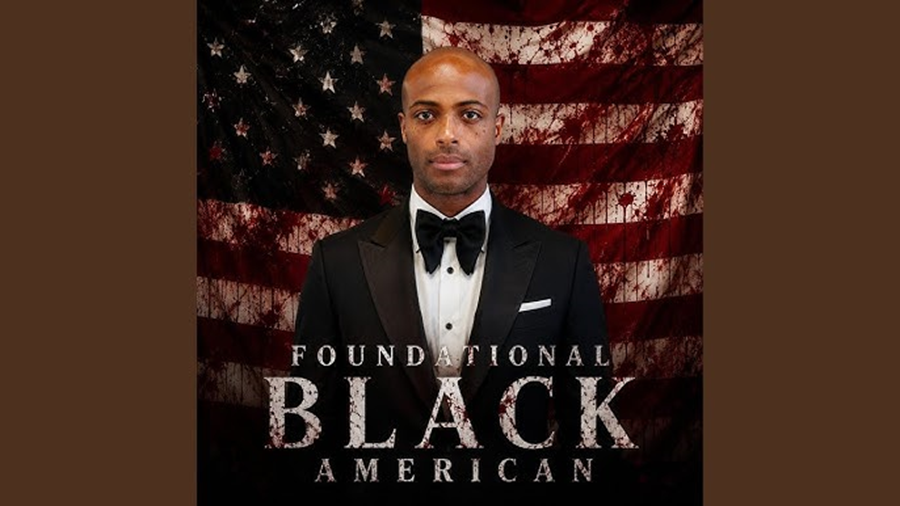
For many Foundational Black Americans (FBA)—descendants of enslaved Africans brought to the United States—the modern political landscape presents a troubling paradox. On one hand, America publicly celebrates diversity, inclusion, and civil rights achievements. On the other, many policies and political movements emerging across the country appear to be narrowing the pathways to equity that Black Americans fought generations to secure. The dismantling of Diversity, Equity, and Inclusion (DEI) initiatives, the persistence of racial gerrymandering, and growing discussions around constitutional reinterpretation or amendment revisions have created a climate of uncertainty for Black Americans whose relationship with the American state has always been defined by struggle, negotiation, and incomplete citizenship.
At the center of this dilemma is a profound question: What happens to a people whose legal protections, economic mobility, and political representation were historically hard-won when the structures designed to address historic exclusion begin to disappear?
The Historical Context of Black Citizenship
The Black American experience has always been tied to constitutional contradiction. The United States Constitution originally recognized enslaved Africans as only three-fifths of a person for representation purposes while denying them full humanity and rights. After the Civil War, the 13th, 14th, and 15th Amendments attempted to redefine Black citizenship by abolishing slavery, granting equal protection under the law, and protecting voting rights for Black men.
However, the promise of those amendments was repeatedly undermined through Jim Crow laws, poll taxes, literacy tests, redlining, and racial terrorism. Even after the Civil Rights Movement of the 1950s and 1960s, many of the gains achieved by Black Americans remained vulnerable to political backlash.
This historical cycle is crucial to understanding current concerns. Many Foundational Black Americans see modern attacks on DEI and voting protections not as isolated policy disagreements, but as continuations of a longstanding pattern: progress followed by retrenchment.
The Dismantling of DEI and Economic Vulnerability
DEI initiatives emerged largely in response to historical discrimination in education, employment, and institutional access. These programs were designed to encourage broader participation among marginalized groups, including Black Americans, women, and other minorities.
Critics argue that DEI promotes preferential treatment or ideological conformity. Supporters argue that DEI merely attempts to level a playing field that has never been truly equal. For Foundational Black Americans, the rollback of DEI policies carries unique implications because wealth disparities, educational inequality, and hiring discrimination remain deeply entrenched realities.
Black households in America continue to possess significantly less generational wealth than white households, largely because of centuries of exclusion from property ownership, quality education, banking access, and federal investment programs. DEI programs, while imperfect, often functioned as one of the few institutional acknowledgments that systemic barriers still exist.
As corporations, universities, and government agencies scale back DEI efforts under political and legal pressure, many Black Americans fear a return to environments where access and advancement become even more dependent on informal networks and subjective gatekeeping. The concern is not merely symbolic representation. It is economic survival.
For many FBAs, the issue is especially sensitive because they often feel caught between broader “people of color” frameworks and their own distinct historical claims rooted in slavery, Reconstruction, segregation, and state-sanctioned discrimination specific to the American experience.
Gerrymandering and the Dilution of Political Power
Voting rights have always been central to Black liberation movements because political representation determines resource allocation, legislative priorities, and legal protections. Gerrymandering—the manipulation of electoral district boundaries to favor particular political interests—has increasingly become a flashpoint in debates over Black political influence.
Although gerrymandering affects many communities, Black voters are often disproportionately impacted through “packing” and “cracking.” Packing concentrates Black voters into a small number of districts, limiting broader influence. Cracking disperses Black voters across multiple districts, weakening their collective voting power.
For Foundational Black Americans, this issue goes beyond technical electoral strategy. It raises existential concerns about whether Black communities can meaningfully influence policy in states where demographic shifts and partisan interests collide.
The weakening of the Voting Rights Act after key Supreme Court decisions intensified these fears. Many states implemented voting restrictions, redistricting maps, or election procedures that critics argue disproportionately burden minority communities. While supporters frame these measures as election security efforts, opponents view them as modern mechanisms of voter suppression.
The result is a growing perception among many Black Americans that democratic participation itself is becoming more fragile. If representation can be structurally weakened, then the ability to defend civil rights gains becomes increasingly uncertain.
Constitutional Anxiety and Amendment Reinterpretation
Perhaps the most alarming dimension of the current dilemma is the broader debate surrounding constitutional interpretation and federal authority. Conversations about “originalism,” states’ rights, and federal limitations have intensified in recent years. For some Americans, these debates represent healthy constitutional scrutiny. For many Black Americans, however, they trigger historical memories of eras when states’ rights arguments were used to justify segregation and deny equal protection.
The 14th Amendment, in particular, remains foundational to modern civil rights law. It underpins protections related to equal treatment, due process, desegregation, and anti-discrimination measures. Any narrowing interpretation of equal protection doctrine creates anxiety for communities historically dependent on federal intervention for civil rights enforcement.
Some activists and scholars worry that if constitutional protections are weakened through judicial reinterpretation rather than formal amendment, many rights could become conditional or unevenly applied. While there is currently no mainstream movement to repeal Reconstruction Amendments outright, legal shifts can still dramatically alter how those amendments function in practice.
For Foundational Black Americans, this concern is not abstract. History has shown that constitutional rights without enforcement mechanisms can become symbolic rather than substantive. During Reconstruction, Black Americans briefly gained political representation and economic participation before violent backlash and Supreme Court decisions weakened federal protections for nearly a century.
That historical memory remains alive today.
The Psychological Burden of Cyclical Progress
One of the least discussed aspects of this dilemma is psychological fatigue. Many Black Americans feel trapped in a recurring cycle where each generation must refight battles previous generations supposedly resolved.
The abolition of slavery did not end forced labor systems. The Civil Rights Movement did not end structural inequality. The election of Black political leaders did not eliminate racial polarization. Each advancement appears followed by institutional resistance, often framed in race-neutral language while producing racially unequal outcomes.
This creates a deep skepticism toward declarations of “post-racial” America. For many FBAs, current political trends reinforce the belief that Black advancement in America remains conditional rather than secure.
At the same time, divisions within Black political thought complicate collective responses. Some advocate stronger integration into existing institutions, while others support reparations movements, economic nationalism, educational self-determination, or independent political organizing. The FBA movement itself emerged partly from frustrations that the specific historical experiences of descendants of American slavery were being overlooked in broader discussions about race and immigration.
The Road Ahead
Despite these challenges, Black political history in America is also a history of resilience, institution-building, and adaptation. Historically Black colleges and universities (HBCUs), Black churches, civic organizations, and grassroots movements have repeatedly emerged as counterweights during periods of political retrenchment.
The current moment may require similar strategies. Many advocates argue that protecting voting rights, preserving accurate historical education, building intergenerational wealth, and strengthening local political engagement are essential responses to the rollback of federal and corporate diversity initiatives.
Others believe that a more fundamental national reckoning is necessary—one that moves beyond symbolic inclusion and directly addresses historical economic harms through reparative policies.
What remains clear is that the Foundational Black American dilemma is not solely about DEI programs or electoral maps. It is about whether America’s democratic institutions are capable of sustaining multiracial equality during periods of political polarization and demographic change.
The dismantling of DEI, the manipulation of voting power, and debates over constitutional interpretation are interconnected because they all influence who belongs, who has power, and whose rights are protected when political winds shift.
For Foundational Black Americans, these are not theoretical questions. They are questions shaped by centuries of lived experience, constitutional struggle, and an ongoing search for security within a nation still wrestling with the meaning of equality itself.