NewStori...First & Foremost A Quality News Outlet!
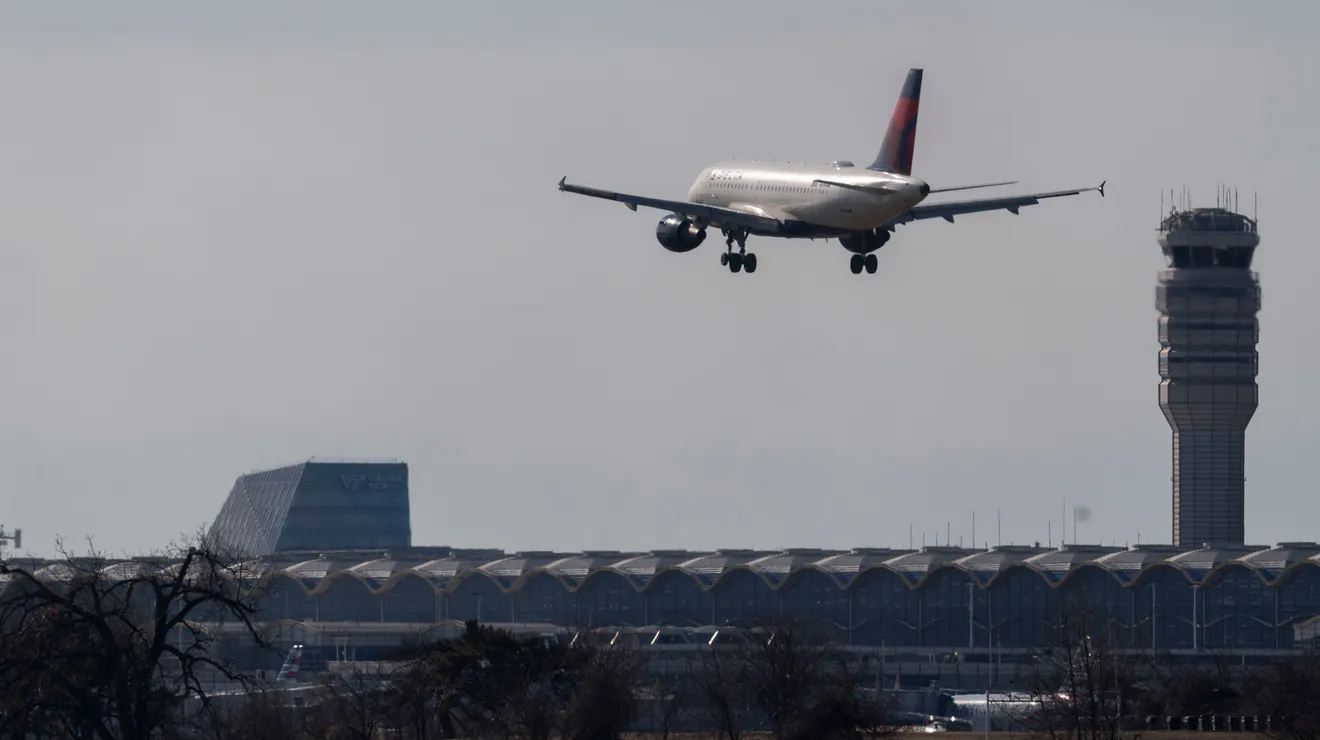
The Federal Aviation Administration announced on Tuesday that it was reopening runways and increasing the arrival rate at Ronald Reagan Washington National Airport.
The agency had closed runways 4/22 and 15/33 to accommodate investigatory efforts following a fatal collision between an American Airlines regional jet and a U.S. Army Black Hawk helicopter over the Potomac River near the airport on Jan. 29.
According to the FAA, the normal arrival rate at DC is 32 flights per hour at peak times. On Feb. 6, that rate was reduced to 26 flights per hour to reduce controllers' workload and in response to the National Transportation Safety Board's investigative activities in the area. Beginning Tuesday, the arrival rate will increase to 28 flights per hour.
The FAA said restrictions on helicopter flights in DCA's airspace remain in place.
The National Transportation Safety Board, which is leading the investigation into last month's crash, said that some of the on-scene investigation was winding down as components were moved to laboratory facilities for further inspection and analysis. Some investigators will remain at the accident scene to continue to document the wreckage.
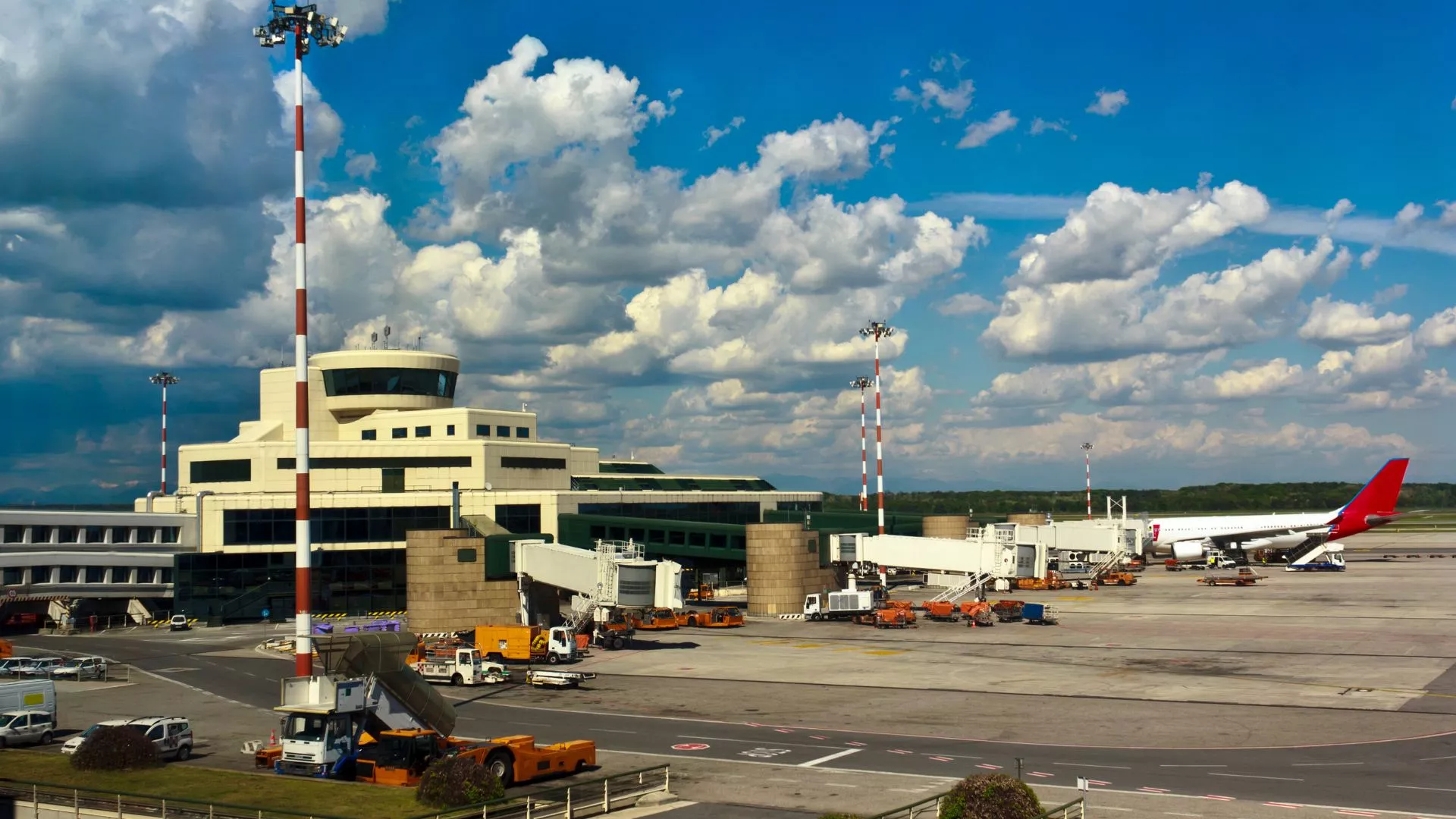
Flights have been cancelled in Italy’s major airports due to nationwide strikes and a fire on Wednesday morning.
Major airports in Italy already began cancelling flights on Tuesday in preparation for a nationwide day of strikes.
Now, all air traffic at Ciampino Airport has been suspended due to a small fire that broke out on Wednesday morning.
This fire is the latest disruption to Italy’s planned flights after airport handling staff organised a 24-hour union walkout due to ongoing disputes.
Some trains and public transport in Milan and the rest of the Lombardy region have also been affected by a 23-hour strike action.
Flying through Italy today? Expect cancellations and delays
Rome’s second largest airport, Ciampino Airport, has had to suspend all flights after a small and already extinguished fire just broke out inside the tower of ENAV, the Italian Air navigation service provider. This was first announced by the NAV (Ente nazionale di assistenza al volo), the company that manages Italian air traffic.
This event comes after most of Italy’s main airports, including Milan Malpensa, Rome Fiumicino, Naples, Catania, and Venice, have had to cancel flights due to a nationwide strike, including four ITA Airways international flights, and a regional train strike in Lombardy.
More flights could be cancelled during the day, and ITA Airways have advised passengers to check the status of their flight before heading to the airport.
What’s the reason for Italy’s travel strikes?
Handling staff from companies associated with Italy’s largest aviation association, Assohandlers, have walked out for 24 hours due to ongoing disputes over pay and working conditions. The unions are demanding better working hours, higher wages, and more benefits for ground staff.
Airport handlers manage many of the vital services at airports, and in the past, such as the Belgium strike in January, have had a significant impact on airport logistics. As well as flight cancellations, passengers may have delays in receiving their luggage at their destination of arrival.
Some trains and public transport in the Lombardy region are also expected to be affected by strikes today, organised by the Orsa Ferrovie union who planned the industrial action due to unresolved labour regulation and financial compensation issues.
The regional railway company Trenord has said that this could affect all Lombardy train services, including regional, suburban, airport, and long-distance trains.
For any airport shuttle trains that are cancelled today, the company says that they will put on buses to run between Milan Cadorna and Malpensa Airport.
Are passengers entitled to compensation due to a strike?
Under EU law, if a flight is cancelled, the airline has to offer your a refund or an alternative flights.
If your flight is delayed, you may be entitled to refunds for unplanned expenses, such as food and accommodation.
Contact your airline or travel agent to claim your refunds, though beware it can take months for your money to arrive.
According to EU law, rail passengers within the bloc are also entitled to compensation.
If your train is delayed but you choose to travel anyway, you may still be eligible for a partial or full refund. This usually depends on how late your train arrives at its destination.
If your train is delayed by more than 60 minutes, you can choose not to travel and will receive a full refund for your ticket.
Alternatively, you can choose to travel at a later date.