NewStori...First & Foremost A Quality News Outlet!

McDonald’s CEO Chris Kempczinski can't catch a break.
In a recent interview with The Wall Street Journal, Kempczinski responded to the widespread backlash he received after eating McDonald's Big Arch burger on camera. In the now-viral video, the fast food executive took a singular bite of the burger before holding it up to the camera. The internet was quick to criticize, with some speculating if the CEO even eats McDonald's.
"I got a call from one of my kids and they said, 'Dad, you've gone viral and not in a good way,'" Kempczinski told WSJ Columnist Tim Higgins during the interview.
The moment led to several other other fast food executives adding their own burger taste tests into the mix.
Now the internet is losing it, once again, this time over a McNugget taste test.
In a video from the interview posted by the Journal on April 6, Kempczinski discuss his viral moment and does another on-camera bite of a McDonald's chicken nugget.
In the clip, which as of April 8 had more than 332,000 views on TikTok, Kempczinski bites into about half of a McNugget, prefacing that he's "looking forward to taking a nice bite."
Social media rips into McDonald's CEO again
In the clip of Kempczinski responding to how he eats food on camera, the executive and Higgins chow down on a few McNuggets.
"The nugget bite was worse than the burger one," one Instagram user commented on the clip shared by the WSJ. "Can we never see him again please?" another Instagram user said.
The sentiments are the same on TikTok
"This is painful to watch," a TikTok user commented on the WSJ's video. "Damage control not working," another chimed in.
Executive Summary
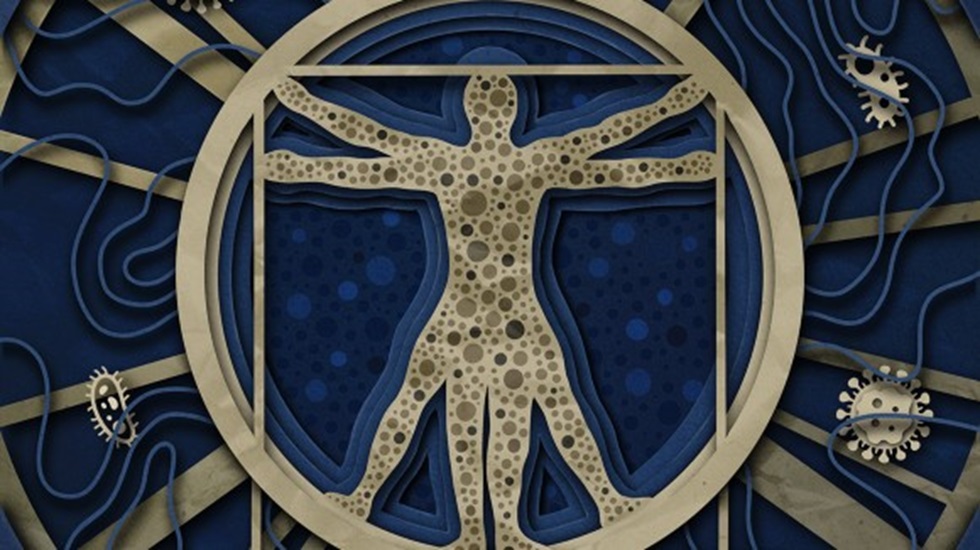
Medicine has undergone a dramatic evolution, from early herbal remedies and surgical interventions to the highly sophisticated, data-driven healthcare systems of today. The advent of artificial intelligence (AI) has accelerated this transformation, enabling predictive analytics, drug discovery, personalized treatment plans, and diagnostic precision. This case study examines the historical evolution of medicine, the role of AI in modern medical practice, key companies driving innovation, and the advantages and challenges associated with these technological advancements.
1. Historical Evolution of Medicine
1.1 Ancient and Early Medicine
Medicine dates back thousands of years, beginning with herbal remedies, trepanation, and rudimentary surgical practices. Ancient civilizations like Egypt, Greece, India, and China laid the foundation for medical understanding through observation, documentation, and experimentation. For example, the Ebers Papyrus from Egypt detailed hundreds of herbal treatments and procedures for illnesses.
1.2 The Renaissance and Scientific Advancements
During the Renaissance, medical knowledge expanded dramatically through anatomical studies and scientific experimentation. Physicians such as Andreas Vesalius advanced the understanding of human anatomy, while discoveries in blood circulation by William Harvey challenged longstanding misconceptions. Hospitals began to adopt more systematic approaches to care, though treatments remained limited in efficacy.
1.3 19th and Early 20th Century Breakthroughs
Key developments in this period include:
• Anesthesia: Ether and chloroform allowed for safer surgical procedures.
• Germ Theory: Louis Pasteur and Robert Koch established the microbial basis of disease, introducing sterilization and antisepsis.
• Vaccination: Widespread immunization programs drastically reduced infectious disease mortality.
• Medical Imaging: The invention of X-rays by Wilhelm Röntgen (1895) transformed diagnostics.
These innovations set the stage for modern medicine by combining science, observation, and technology.
1.4 Late 20th Century: Technological Integration
The latter half of the 20th century saw the introduction of:
• Computed tomography (CT) and magnetic resonance imaging (MRI): Enhanced internal visualization.
• Minimally invasive surgery: Reduced recovery times and complications.
• Molecular medicine and genomics: Enabled disease understanding at a genetic level.
• Pharmaceutical innovation: Targeted therapies for cancers, infections, and chronic diseases.
2. AI in Modern Medicine
Artificial intelligence has become a transformative force in medicine, redefining diagnosis, treatment, and research. AI applications are diverse and growing rapidly.
2.1 Diagnostic Assistance
AI algorithms analyze medical images, lab results, and patient histories to support diagnosis. Examples include:
• Radiology: AI detects tumors, fractures, or vascular anomalies faster and with high accuracy.
• Pathology: Machine learning models identify cancerous cells in biopsy slides.
2.2 Drug Discovery and Development
AI accelerates the discovery of new drugs by:
• Screening chemical compounds for efficacy.
• Predicting pharmacokinetics and toxicity.
• Optimizing clinical trial design.
This reduces the time from lab discovery to market approval and lowers development costs.
2.3 Personalized Medicine
AI enables treatments tailored to an individual’s genetic profile, lifestyle, and health history.
• Precision oncology: AI identifies optimal chemotherapy regimens based on tumor genomics.
• Chronic disease management: Algorithms recommend lifestyle or medication adjustments for diabetes, cardiovascular disease, and more.
2.4 Predictive Analytics
Hospitals use AI to predict patient deterioration, optimize staffing, and anticipate outbreaks of infectious diseases.
• Example: AI predicting sepsis or ICU admission risk in real time.
3. Key Companies Leading Innovation in Medicine and Technology
3.1 Intuitive Surgical
• Focus: Robotic-assisted surgery.
• Flagship Product: da Vinci Surgical System.
• Innovation: Enhances precision in minimally invasive procedures and integrates imaging technology.
• Impact: Reduces recovery time, blood loss, and surgical errors.
3.2 Medtronic
• Focus: Medical devices and AI-driven surgical platforms.
• Flagship Products: Hugo™ robotic-assisted surgery system, implantable cardiac devices.
• Innovation: AI-guided surgical planning and remote monitoring for cardiac patients.
• Impact: Improves procedural precision and chronic disease management.
3.3 IBM Watson Health
• Focus: AI for diagnostics and decision support.
• Innovation: Watson leverages natural language processing to analyze patient data, medical literature, and genomics.
• Impact: Accelerates treatment recommendations, especially in oncology, and supports personalized medicine.
3.4 Moderna
• Focus: mRNA therapeutics and vaccines.
• Innovation: AI-driven platforms optimize mRNA design and vaccine development.
• Impact: Enabled rapid COVID-19 vaccine development, demonstrating AI’s potential to shorten clinical timelines.
3.5 Roche
• Focus: Diagnostics and personalized therapies.
• Innovation: AI-powered genomics and diagnostic platforms support precision oncology.
• Impact: Improves treatment targeting, enhances early detection, and reduces trial-and-error prescribing.
4. Advantages of AI and Advanced Medical Technology
4.1 Improved Accuracy and Efficiency
• AI reduces human error in diagnostics and treatment planning.
• Robotic assistance allows more precise procedures than manual techniques.
4.2 Faster Drug Discovery
• AI algorithms accelerate compound screening and clinical trial design.
• Reduces time and cost to bring life-saving medications to market.
4.3 Personalized Patient Care
• Treatments tailored to genetics, lifestyle, and disease profile improve outcomes.
• Chronic disease management becomes more proactive than reactive.
4.4 Predictive and Preventive Medicine
• Hospitals can anticipate complications and adjust care before deterioration occurs.
• AI-based outbreak prediction allows public health interventions to be faster and more targeted.
4.5 Resource Optimization
• AI can improve hospital workflow, staffing efficiency, and equipment utilization.
• Reduces healthcare costs while maintaining quality of care.
5. Disadvantages and Challenges
5.1 High Cost of Technology
• Advanced devices, AI platforms, and robotic systems are expensive to implement.
• Smaller or underfunded hospitals may struggle to adopt cutting-edge technology.
5.2 Data Privacy and Security
• AI relies on large datasets, often containing sensitive patient information.
• Cybersecurity breaches or misuse of data could compromise patient trust.
5.3 Dependence on Technology
• Overreliance on AI could reduce human diagnostic skills.
• Errors in AI algorithms can propagate widely if not properly monitored.
5.4 Ethical and Regulatory Concerns
• Who is responsible for AI-guided treatment errors?
• Biases in AI training data can lead to inequitable care for certain populations.
• Regulatory frameworks struggle to keep pace with rapidly evolving technology.
5.5 Accessibility and Equity
• Advanced AI and robotics may be concentrated in wealthy regions or hospitals.
• Risk of widening the gap in healthcare outcomes between developed and developing countries.
6. Future Outlook
The integration of AI in medicine is expected to deepen over the next decade:
• Autonomous diagnostic systems: AI could assist clinicians in real-time triage and interpretation of complex data.
• Telemedicine and remote monitoring: AI-enhanced systems allow care for patients in remote locations.
• Smart pharmaceuticals: AI-designed drugs tailored to specific patient genomes and environmental factors.
• Global data collaboration: Real-world data integration across hospitals and research centers to accelerate medical breakthroughs.
Challenges will include balancing automation with human oversight, ensuring equitable access, and maintaining patient privacy and trust.
7. Conclusion
Medicine has evolved from rudimentary herbal remedies and surgery to highly sophisticated, technology-driven practices. The integration of AI has accelerated this evolution, enabling predictive analytics, precision diagnostics, personalized treatment, and accelerated drug development. Companies such as Intuitive Surgical, Medtronic, IBM Watson Health, Moderna, and Roche are at the forefront of this revolution, leveraging robotics, AI, and genomics to transform patient care.
Advantages of these advancements include improved accuracy, efficiency, personalized care, and predictive capabilities. However, challenges such as cost, data security, ethical concerns, and inequitable access remain significant. As AI and technology continue to advance, the medical community must balance innovation with patient safety, regulatory oversight, and equitable distribution to fully realize the promise of modern medicine.